There is a lot to love about the convenience of a digital world, but it’s getting harder to draw boundaries and unplug. Increasingly, that mindset is beginning to influence what buyers want not only from their homes, but from the communities surrounding them.
For most people, daily routines are shaped by constant connectivity, shifting between various screens, often with little separation between work, entertainment, and downtime. According to recent data from the Pew Research Center, 41% of adults report being online constantly.
There is a growing awareness of the influence of digital overwhelm on health and wellness, and consumers are seeking balance. Recent Google Trends data shows rising search interest around terms like “digital detox benefits,” reflecting a broader desire to disconnect, slow down, and mentally reset.
Digital detox opportunities run the gamut from off-grid retreats to analogue-style hobbies, meditation, hiking, and trail culture, and more.
While weekend getaways and activities create space to unwind, consumers are seeking more lasting ways to integrate digital downtime into the daily routine, which can be as simple as dedicating a screen-free zone at home.
But more than ever, homeowners want to live in communities that yield digital detox benefits, where residents are encouraged to connect with nature and each other more often than their devices.
“The ‘Great Logging Off’ isn’t just a wellness headline; it’s becoming a real estate demand signal,” says Peter Dennehy, principal, advisory with Zonda.
“As concerns about AI manipulation, algorithmic addiction, and online disinformation reach a tipping point, buyers are placing a tangible premium on environments that make it easy to disconnect. This is showing up in purchasing decisions.”
“The communities consistently outperforming on absorption are layering experiential, screen-free programming on top of the standard amenity package. That’s where the premium is being captured—and where the gap between MPCs and individual communities continues to widen,” he says.
The New Amenity Buyers Want Is a Slower Pace of Life
In master-planned communities, popular amenities, such as pools, gyms, and clubhouses, still matter, but in the digital-first era, amenities that encourage a slower pace and set the stage for life to unfold naturally are in demand.
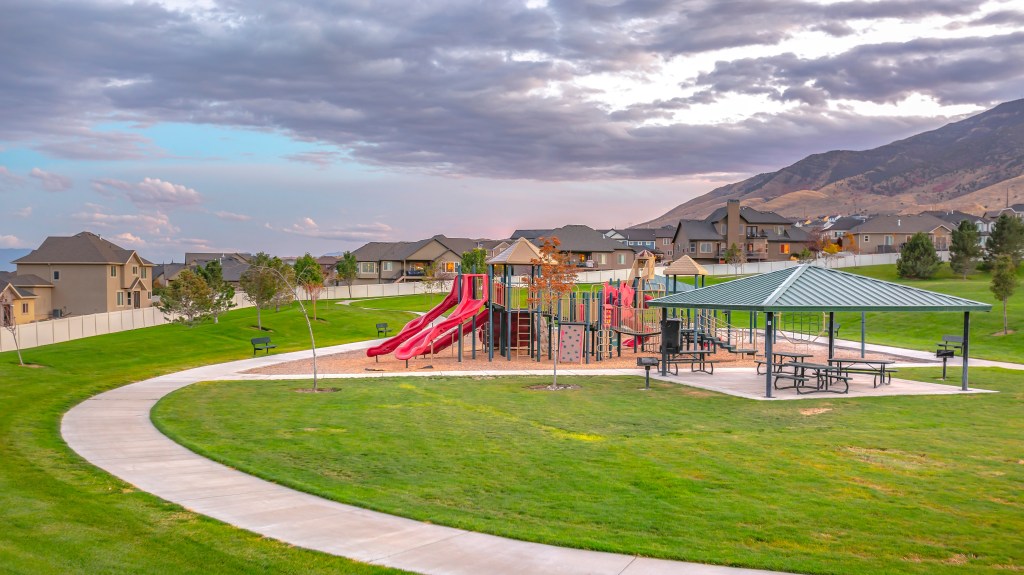
Not every healthy habit needs to happen in a gym, fitness class, or highly programmed setting. Many buyers are gravitating toward slower, more casual experiences that feel easier to incorporate into everyday life, whether that means an evening walk on a shaded trail, reading in a park pavilion, gardening, listening to live music outdoors, or gathering around a firepit with neighbors.
In terms of recovery and social wellness amenities, “Cold plunges and infrared saunas are becoming standard requests, increasingly paired with outdoor decks and fire pit gathering areas rather than tucked away in a corner of the gym,” says Dennehy.
Creating a community geared for digital detox isn’t as simple as unplugging or removing Wi-Fi, explains Dennehy. “You need to replace the screen with something worth putting the phone down for.”
“The amenity mix is shifting accordingly. Pottery studios, reading pavilions, open-air markets, and live music lawns are moving from differentiators to expectations, particularly among younger buyers who are driving the analog revival.”
Part of the appeal of these amenities is that they support wellness in a more natural, low-pressure way, an old-school rhythm that is a key component of digital detox.
Among those amenities, nature may be the most impactful of all.
Nature Is Becoming a Built-In Digital Detox Amenity
Nature offers something many people feel they are missing in a digital-first world: space to slow down mentally.
Increasingly, nature is being viewed as an antidote to digital overwhelm, especially when it is integrated into everyday life and located just outside the front door.
The benefits of exposure to natural elements are well-documented by numerous studies.
- Research from the American Heart Association shows that living in areas surrounded by greenery has cardiovascular benefits.
- According to the American Psychological Association, exposure to nature has been linked to lower stress levels, improved mood, and better cognitive function.
- This study found that environments with greater natural diversity, including trees, plants, birds, and water, were associated with higher mental well-being scores.
With these potential benefits in mind, developers are rethinking how nature is integrated into community design, building connected outdoor experiences rather than treating green space as leftover land between homes.
In practice, that means communities that integrate nature directly into daily life may offer more opportunities for consistent exposure.
That proximity matters. It makes it easier to step outside between meetings, take an evening walk after dinner, or mentally decompress without needing to drive somewhere first.
Looped walking trail systems, preserved woodland corridors, kayak launches, community gardens, outdoor event lawns, birdwatching towers, waterfront promenades, and open-air gathering spaces are increasingly being designed as part of a broader lifestyle ecosystem centered on movement, social connection, and time outdoors.
“These aren’t soft amenities,” says Dennehy. “They’re social infrastructure, and they’re becoming a measurable component of community performance.”