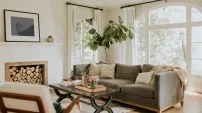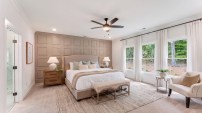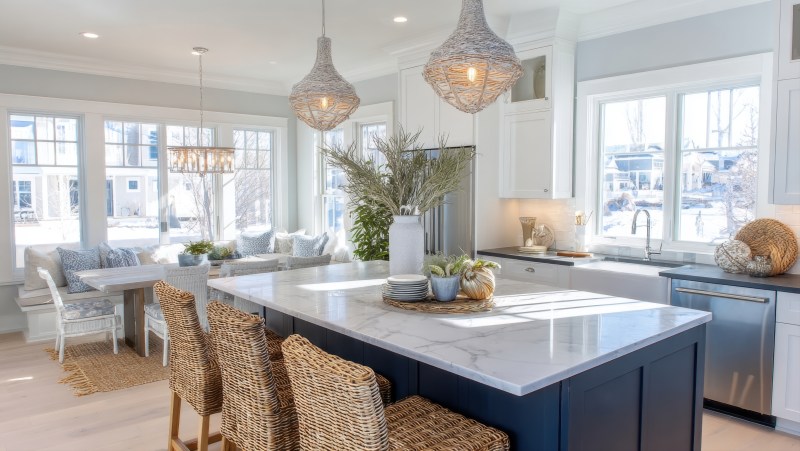
Homeowners are becoming more practical in nearly every aspect of homeownership. This pragmatic mindset is also influencing the model home experience. For today’s home shopper, inspiration has greater value when buyers can actually put it to use.
Although buyers are drawn to the blank-canvas opportunity of a new build, decision fatigue is real, and tools that build confidence and save time are a welcome relief.
“We are seeing a lot of interest in making models actionable through features like the shoppable model home,” says Ali Richert, enterprise sales, head of home builder at Wayfair Professional.
In addition to shoppable models, furnished homes are popular too. A Zonda survey showed that 73% of buyers would be open to buying a furnished or partially furnished home.
With affordability still a challenge, buyers are looking closely at the overall value of a new-home purchase, including what builders can offer beyond the home itself.
“Regardless of why someone is buying a house, most home buyers will have one thing in common after getting the keys. They will need to furnish the home,” says Richert.
“Historically, the relationship between a builder and buyer ended at closing. Now builders are asking how they can help make the full journey easier.”
“This is one of the ideas that drive innovations like our shoppable model homes or even alternative closing incentives, like home buyer Wayfair gift cards. Instead of furnishing a model to inspire buyers, builders are beginning to view furnishing as an extension of the home buying experience itself,” she says.
In shoppable models, features like scannable QR codes, product links, online storefronts, or other purchasing arrangements simplify the process and bridge the gap between inspiration and real-life functionality, a pragmatic benefit that saves time and builds confidence when envisioning what life will look and feel like at home.
Various buyer groups see benefit in these features, explains Richert.
Investors may need to furnish a whole home quickly to go to market. A second-home buyer might want their home furnished immediately, so that vacations can be taken. First-time and move-up buyers may not have enough existing furniture to fill a space.
But regardless of why you are buying a home, “having a turnkey option for furnishing solutions can remove time, stress, and uncertainty from a process that can seem overwhelming,” she says.
“For a lot of buyers, especially after the long process of choosing a builder, a lender, a community, finishes, cabinets, flooring, and countless other decisions, the appeal of having to skip another major project full of decisions can be incredibly appealing.”
Making Inspiration Actionable
Love the look and the vibe of the model? Model home merchandisers make it look easy, but the aesthetic and the experience are the result of a highly curated, researched process that requires training, talent, and access to products.
Model homes not only display the latest trends and demonstrate how to make the best use of various spaces, but their design details are also selected to appeal to the target market. It’s no wonder that buyers find the aesthetic compelling.
“We focus heavily on purposeful merchandising and thoughtful space planning, showing buyers how each room can function, including multifunctional spaces and ideas they can realistically incorporate into their own home,” says Megan Calmes, director of sales and marketing with Creative Design.
“Additionally, we think about the buyer’s journey beyond the purchase. We want the model to feel aspirational, but also attainable.”
Models aren’t like generic furniture showrooms. The specifics of the floor plan guide the selection of furnishings, which means buyers are seeing pieces chosen for the very spaces they may soon call home.
For example, a buyer might choose a sofa on their own for the new living room, but that’s only a small part of the overall design. Accents like tables, rugs, and artwork matter too. The model demonstrates how these pieces work together, both aesthetically and within the room’s dimensions.
The model shows you how to assemble a look, not just admire it.
A flex room has a ton of potential, but will various uses work comfortably in real life? A model can demonstrate the size and placement of furniture and accents to support a particular purpose, or even multiple functions, within the available space.
Having shoppable tools, or the option to purchase the home furnished as demonstrated, can make those possibilities easier to recreate.
The vast majority of house hunters aren’t designers, so having access to professionally selected furnishings and decor gives buyers a practical head start.
Personalization is always possible, of course. Buyers might purchase the larger anchor pieces, such as a sofa, rug, and dining table, then bring in their own artwork, textiles, or accessories to make the space their own.
This article was originally published on NewHomeSource.com.