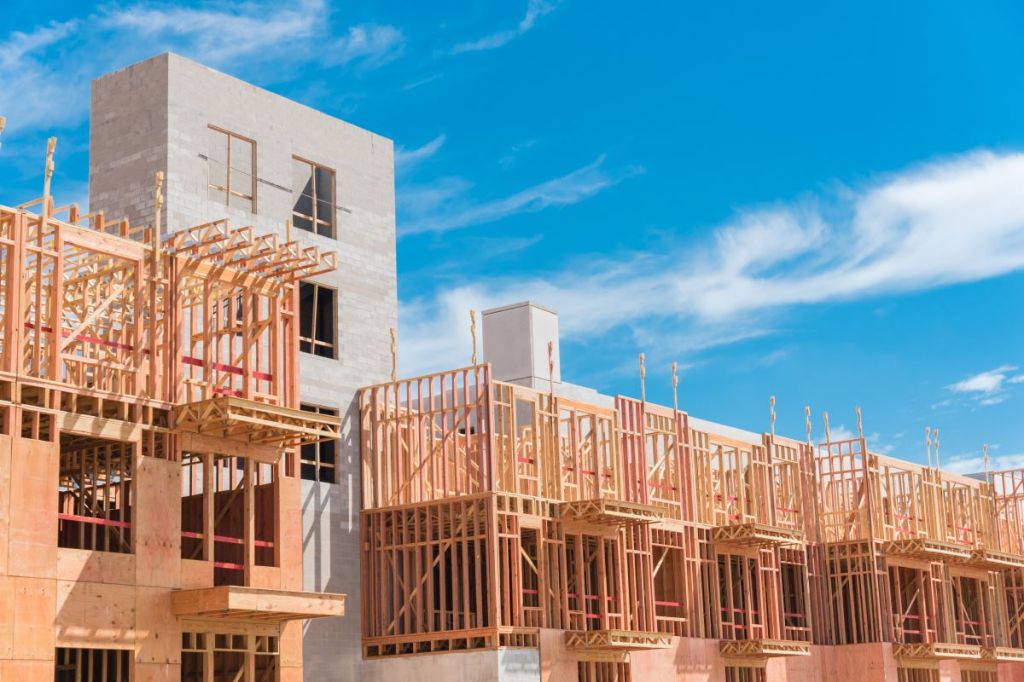
After one of the most aggressive multifamily building cycles in modern history, the national story is shifting quickly. Deliveries have peaked and are expected to decline in the coming years as new starts have slowed.
That shift is important for the broader housing market. As fewer units deliver, pressure tied to elevated supply levels should ease over time. However, the pace of that improvement will vary by market.
Not All Markets Are Moving in Sync
While most major markets are entering a period of declining supply, a small group is seeing either stable or increasing deliveries.
“The distinction is meaningful,” said Kimberly Byrum, Zonda’s managing principal and multifamily expert. “Markets with more new deliveries still coming online will likely see a slower return to more balanced conditions.” In those areas, the adjustment in vacancy and rent trends may lag the national average.
For home builders, the implication is straightforward. Rental competition may persist longer in select markets, particularly where renters overlap with entry-level or first move-up buyers.
Southern California: A Key Market to Watch
Los Angeles and Orange County stand out as two of the most notable exceptions.
In contrast to the national slowdown, both markets are expected to see an uptick in apartment supply in the next cycle. Given the historically constrained development environment, even a modest increase in new deliveries can influence local conditions.
More units coming online means more options for renters, which can extend leasing competition. At the same time, these markets have traditionally maintained relatively tight occupancy, suggesting demand remains intact.
Rather than a shift in long-term fundamentals, the key dynamic is timing. Markets like Los Angeles and Orange County may take longer to move through the supply cycle compared to the rest of the country.
Key Takeaways
Apartment supply is cooling across most of the country, which supports a more stable backdrop for housing demand. But in markets where supply is still increasing or holding steady, rental competition may persist for longer.
That dynamic can influence near-term absorption and buyer behavior, particularly in segments where the rent versus own decision remains closely tied to monthly costs.
For builders and developers, tracking these localized supply trends will remain critical as the market works through the next phase of the cycle.
The insights in this article were taken from more in-depth research reports published in Zonda’s Apartment Outlook.