
As CEO of Howard Hughes Communities, 2026 Legends Award winner David O’Reilly has built a career by embracing change, seeking new perspectives, and never losing sight of the bigger picture.
The leadership lessons he carries today were shaped by mentors, career pivots, and decades spent balancing financial discipline with community-building purpose. Below are the lessons that have guided him from Howard Hughes CFO to CEO and helped shape some of the nation’s most successful master-planned communities.
1. Balance Financial Discipline With Human Impact
One of O’Reilly’s defining leadership beliefs is that great decisions account for both economics and people. Drawing from his background in investment banking and community development, he argues that financial returns and resident outcomes are not competing objectives. They are mutually reinforcing when done well. He said in his interview with BUILDER, “Finance taught me that every decision has a cost of capital. Community building taught me that every decision has a human impact.”
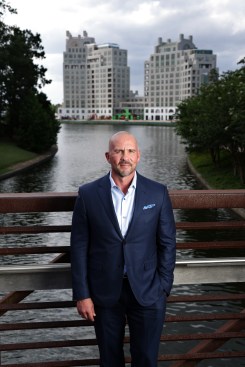
Mark Felix
David O'Reilly
2. Leadership Evolves From Answers to Purpose
As a CFO, O’Reilly’s value came from analysis and having the right answer. As CEO, he learned that leadership is broader and more personal. Employees look to leaders not only for decisions, but for vision, values, and direction. As responsibilities grow, influence matters more than expertise alone.
3. Communicate the “Why”
Future Place
September 28-30, 2026
The Ritz-Carlton, Dallas Las Colinas
Hear more from O’Reilly during the 2026 Legends Award & Fireside Chat at Future Place on Sept. 28.
O’Reilly acknowledges that early in his career he led with a more directive style. Over time, he learned that organizations achieve alignment when leaders explain purpose, not just tasks. Employees need to understand why their work matters. He said, “You have to communicate strategy. You have to communicate the why.”
4. Stay Coachable
Despite reaching the CEO role, O’Reilly remains a strong advocate for coaching and continuous personal development. O’Reilly said, “Adaptation is natural and you need to change to continue to be successful and grow.” He credits professional coaching with helping him adjust his leadership style and evolve throughout his career.
5. Think Long Term in a Short-Term World
Whether discussing community development or capital allocation, O’Reilly repeatedly returns to the importance of patience and long-range thinking. He believes leaders must resist the temptation of short-term wins if they undermine lasting value. The most important decisions often deliver results years, not quarters, later. He added, “At all times you have to have long-term vision and present-tense discipline.”
6. Focus on Stewardship, Not Personal Legacy
Rather than talking about changing Howard Hughes Communities, O’Reilly frames his role as carrying forward the work of those who came before him. His goal is to be a steward of a proven vision rather than its reinvention.
Quick Tips
>Balance financial discipline with human impact.
>Communicate what you stand for, not just the answer.
>Stay flexible, even within a 40-year plan.
>Think in decades while operating in the present.
>Build around quality of life first.
7. Adapt Without Abandoning the Mission
A key theme throughout O’Reilly’s career and roles is flexibility. O’Reilly believes successful leaders revisit assumptions, listen to changing customer needs, and adjust course while remaining true to their core purpose. “Consumer sentiment changes, consumer demand changes, our residents’ needs and wants change.”
8. Build Teams Around Shared Success
O’Reilly rejects the idea that community building, or leadership success, is an individual accomplishment. He describes it as a “team sport” and emphasizes alignment across an organization. Sustainable success comes from collective effort, not individual recognition.
9. Hard Work Is Always a Choice
The most personal lesson comes from O’Reilly’s mother, whose advice has guided him since childhood. While talent varies, effort remains within a person’s control. “You can be the one on the ice that works hardest, because that’s a decision you make,” he shared.