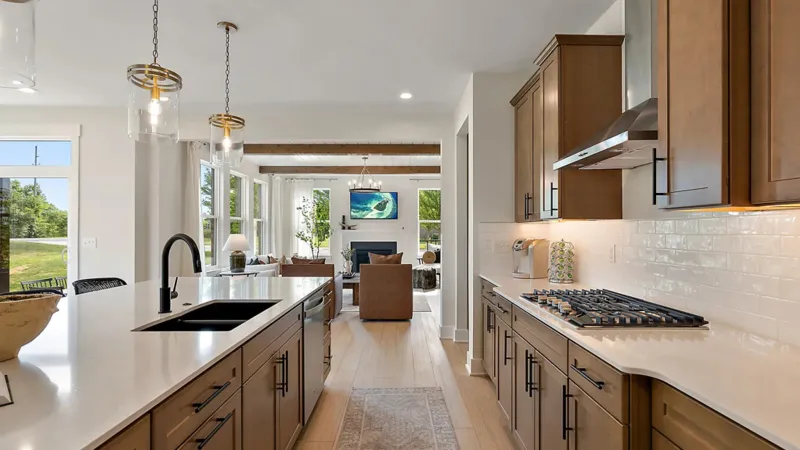
A new survey from Lombardo Homes suggests that homebuyers are thinking about more than square footage, bedroom counts, and finishes. According to the No. 82 builder on the 2026 Builder 100 list, 93% of respondents say their home has a significant impact on their overall mood, and respondents reported they would pay an average of $58,020 above their budget for a home designed to support emotional well-being.
Polling 1,006 Americans, the findings point to growing consumer interest in features that promote comfort, reduce stress, and create a greater sense of calm, including natural light, storage, and connections to outdoor living spaces.
For Melissa Cervin, vice president of marketing at Lombardo Homes, the research validated conversations the builder was already hearing from prospective buyers during the sales process. “The idea grew out of conversations our sales teams were already having with buyers,” she says. “During the discovery process, people frequently talked about what they needed from a home to feel comfortable, less stressed, or more at ease.”
Those discussions prompted the builder to look beyond traditional home buying preferences and examine how design decisions influence everyday emotional well-being. The results confirmed that “emotional well-being is not a niche consideration, but an important part of how people experience their homes,” Cervin says.
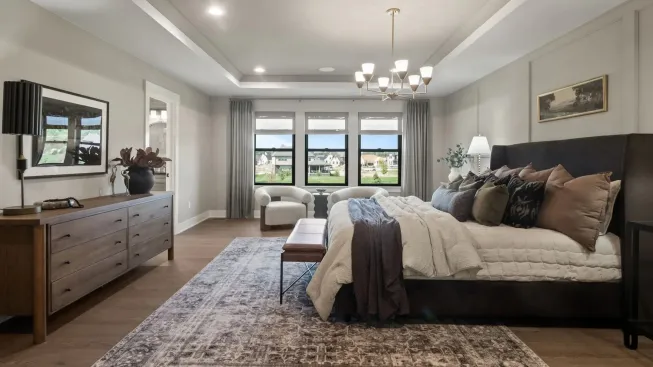
Courtesy Lombardo Homes
The results are already shaping how Lombardo evaluates its floor plans. Rather than focusing solely on function, the builder is taking a closer look at how a home can make residents feel through design choices such as larger windows, stronger indoor-outdoor connections, flexible gathering areas, and more intentional storage solutions.
“Not every solution needs to be a dramatic new feature,” Cervin says. “Often, relatively small decisions about window placement, storage, and the way rooms connect can make a home feel calmer, brighter, and easier to live in.”
The survey also underscores the importance of organization. More than one-third of respondents identified clutter or mess as the top source of stress in their home, making it the leading household frustration. As a result, Cervin says builders should stop treating storage as an afterthought and instead design around how homeowners actually use their spaces.
Features such as mudrooms, walk-in pantries, drop zones, cabinet organization, and strategically placed closets can help reduce stress without increasing a home’s footprint. “Reducing clutter is not simply about giving homeowners more space,” she says. “It is about creating more useful space.”
Perhaps most notably, the willingness of respondents to spend more on homes that support emotional well-being suggests that wellness-oriented design is becoming part of the value equation for buyers. While Cervin notes that traditional upgrades remain important, she says today’s consumers are prioritizing choices related to comfort, natural light, organization, and outdoor living.
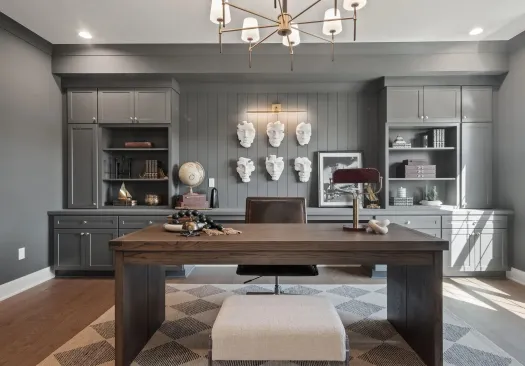
Courtesy Lombardo Homes
“What is changing is the conversation,” she says. “Buyers are more aware of how their choices will affect the way they live and feel in the home.”
“One of the most interesting takeaways is that designing for emotional well-being does not always require expensive technology or a dedicated wellness room,” Cervin adds. “Some of the most meaningful features are also among the most practical: natural light, useful storage, outdoor views, flexible spaces, and a layout that supports the homeowner’s daily routine.”
The Emotional Impact of Home Survey also found:
- 42% want their home to feel calm and peaceful, but only 26% say their current home actually feels that way
- 62% have renovated, decorated, or paid more for something in their home because they believed it would make them happier
- 96% say having a private space where they can be completely alone is important
Biggest Sources of Stress
- 36% cite clutter or mess as the top source of stress in their home
- Maintenance and repairs (11%) and noise (10%) were distant runners-up
- 27% say the first thing they would change to improve their mood is less clutter or more storage
Features That Boost Mood
- Comfortable furniture: 75%
- Natural light: 70%
- Comfortable bedrooms: 63%
- Clutter-free spaces: 59%
- Cozy/private spaces: 51%
What Buyers Would Pay More For
- More natural light/windows: 16%
- Better views of nature: 16%
- Larger outdoor space: 13%
- More privacy: 11%
Privacy Versus Connection
- 54% prefer an equal balance of private and shared spaces
- 29% would prioritize more private space
- Just 12% would prioritize more shared gathering space