This fall, home interiors are getting cozier and more curated to reflect personal style, according to the 2026 U.S. Houzz Fall Design Trends Report.
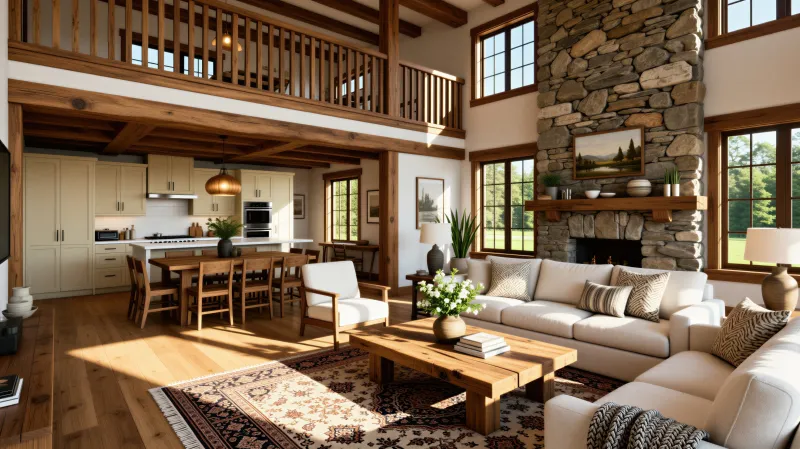
The move away from stark white and grey interiors has solidified, and trends now center on rich, varied layers, natural materials, and earth tones to add physical and visual texture.
Notably, warmth is emerging as a foundational element to design, rather than just a stylistic preference for warm-toned color and materials.
This season’s interior design trends aren’t necessarily new but represent a progression, as homeowners become more confident in emerging trends and recognize the impact they can have on how a home feels.
According to Houzz, these are the home design trends to watch this fall.
Self-Expression Reigns
Interior design trends over the last few years have switched from stark minimalism to bold maximalism, and now reside somewhere in the middle of the two extremes, with personality, and the freedom to design for joy as the guide.
This has given rise to personalized interiors, leaning into patina, storytelling, and unique character. Expect to see more blending of vintage with modern styles, with room for homeowners to incorporate personally meaningful pieces.
This is gaining traction particularly with new-build homeowners, as blending vintage with modern is an easy and impactful way to place a personal stamp on a new home, as well as instantly add patina, making brand-new feel lived in and welcoming, reinforcing the broader shift toward warmth in design this fall.
Meanwhile, homeowners are less concerned with decorating for resale, and are embracing the opportunity to express themselves through home decor and finishes, including wallpaper designs, unique tile patterns, statement furniture, and colors that reflect their style.
Authentic, Curated Interiors
Out-of-the-box perfection is out, as imperfection is seen as a mark of authenticity, reflecting a desire for interiors that are grounded and timeless.
Look for handcrafted tile, artisanal plaster, natural stone, aged metals, and original architectural elements.
From a design perspective, that also means letting go of some of the traditional rules around what “goes” together. A room can reflect different periods, influences, and stages of a homeowner’s life without every element having to fit neatly under one design aesthetic.
Instead, homeowners are choosing themes through color and accents, and curating looks around them.
The goal isn’t perfection, but a home that feels genuine to the people who live there.
Natural Materials
Natural materials have been trending for a while, as a key component of biophilic design, which has dominated trends for years. However, as homeowners seek textural elements in homes designed for comfort, natural materials offer unique benefits and are becoming focal points unto themselves.
For example, variations in natural wood grain, unique veining in natural stone, leathered stone, and tiles of varying shapes and surfaces all add tactile elements and make homes feel more grounded.
Beyond the typical countertops and cabinetry, natural materials are showing up in unexpected applications in the home with beautiful results, from sinks to furniture to lighting.
The Evolving Home
Beyond finishes and decor, homeowners are increasingly looking at home design through the lens of long-term livability, prioritizing designs that can adapt as their needs and lifestyles change.
As 2026 progresses, that preference for home design that evolves continues to grow. What’s notable is that flexible living with a long-term horizon isn’t just about making a home accessible to accommodate aging in place.
Lifestyle is dictating home design, especially when features are tied to longevity, including an increase in ADUs and secondary suites to accommodate multigenerational households, and the integration of wellness-oriented features such as saunas, cold plunges, and meditation spaces to support well-being routines at home.