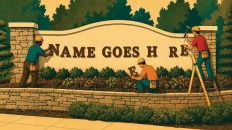
As developers move away from generic community names, a clear set of naming trends is emerging across the master-planned community sector. Today’s names are increasingly rooted in authentic stories tied to the land, local history, geography, and cultural heritage.
At the same time, names are becoming more lifestyle-oriented, designed to convey themes such as wellness, joy, connection, and belonging, as seen in Tri Pointe’s Atwell, Johnson Development’s Jubilee, and Convergence Communities’ The Granary, which also lean into simplicity and work well across signage, logos, and social media.
BUILDER recently caught up with Christen Johnson, Johnson Development vice president of marketing; Jennifer Taylor, Brookfield Residential Houston division’s vice president of sales and marketing; Harry Masterson, EMBER managing principal; Colby Cox, Convergence Communities CEO and founder; and Jennifer Norwood, Tri Pointe Homes Inland Empire director of marketing, to learn more about their naming tactics.
Below are six trends for naming master-planned communities (MPCs):
1. Authenticity Is the New Starting Point
Developers are looking to a property’s history, geography, cultural heritage, and natural features for naming inspiration. Instead of inventing names from scratch, many are uncovering stories already embedded in the land. Examples include Midline, The Grand Prairie, The George, and The Granary, all of which draw directly from local history, location, or historical land uses.
2. Lifestyle Is Shaping Community Names
As MPCs evolve into lifestyle-driven destinations, names are being used to communicate themes such as wellness, connection, belonging, walkability, and quality of life. Communities like Atwell, Jubilee, and The Granary were named to reinforce a specific resident experience and brand promise rather than simply identify a location.
Future Place
September 28-30, 2026
The Ritz-Carlton, Dallas Las Colinas
Future Place is the premier gathering of the nation’s largest landowners, builders, and capital leaders. Discover the forces driving growth, value, and vision in master-planned communities.
3. Generic Names Are Losing Favor
Developers say buyers are becoming more drawn to communities with distinct identities. As a result, traditional combinations featuring words such as “Oaks,” “Creek,” “Ridge,” “Village,” or “Reserve” are falling out of favor, replaced by names that feel more original, purposeful, and memorable.
4. Ownable, Brandable Names Are on the Rise
Community names are being evaluated as long-term brands. Developers are prioritizing names that can be trademarked, protected online, differentiated from competitors, and extended across amenities, events, schools, retail districts, and future neighborhoods.
5. Simplicity and Memorability Matter More Than Ever
The strongest names tend to be easy to say, spell, remember, and search. Several developers noted a trend toward shorter, simpler names that perform well across signage, websites, social media, and everyday conversation while still carrying a deeper story.
6. Names Must Be Built for the Long Haul
Because master-planned communities can take decades to mature, developers are focused on timelessness. Rather than following short-term trends, they are selecting names that can remain relevant as communities grow and as residents attach meaning to them through their experiences, traditions, and sense of home.
Read more
-
Branding
How Developers Name Master-Planned Communities
9 MIN READ