Photo: Greg Hadley
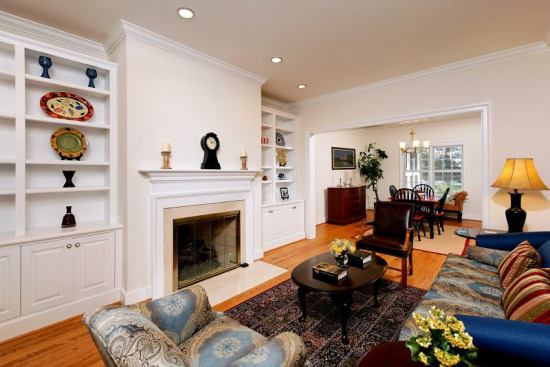
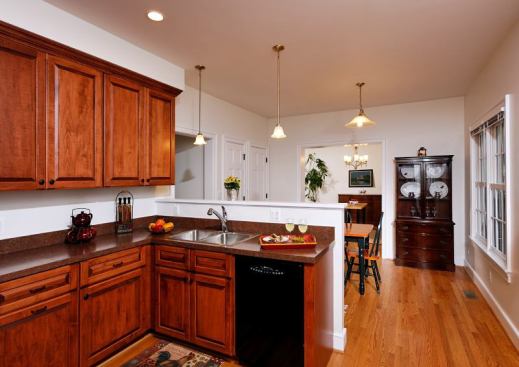
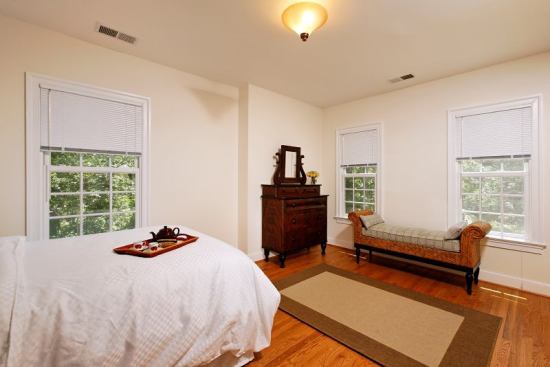
The semi-detached homes at the Virginia Theological Seminary mea…
The Alexandria, Va.-based Virginia Theological Seminary, the largest of the 11 accredited seminaries of the Episcopal Church, is now wearing its green on its sleeve.
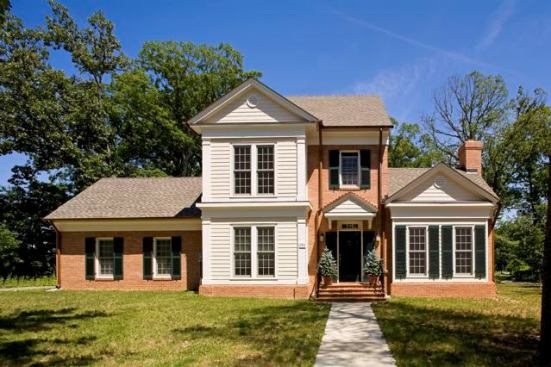
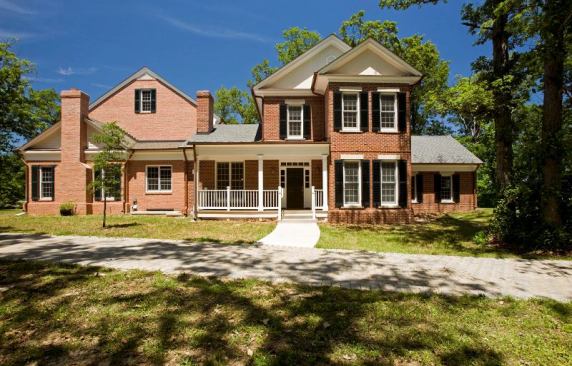
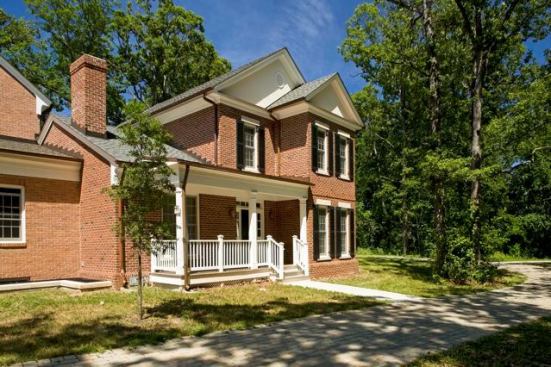
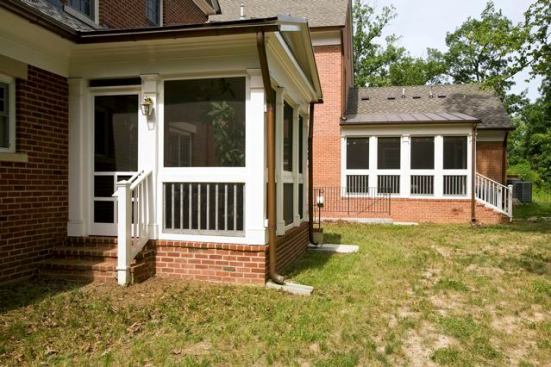
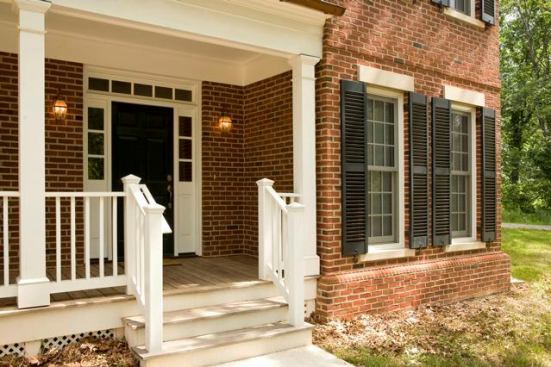
Founded in 1823 to educate men for the ministry, the organization has completed two new energy efficient zero-lot-line homes that were designed to complement the historical buildings on the grounds of its 88-acre Northern Virginia campus.
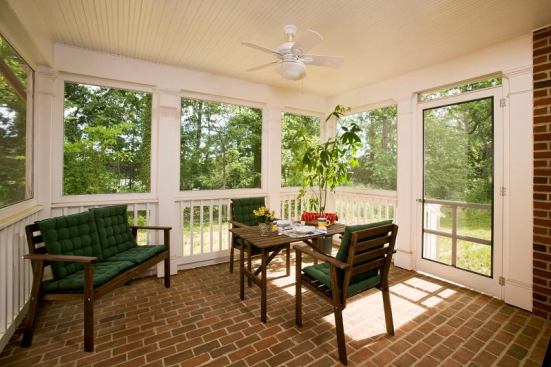
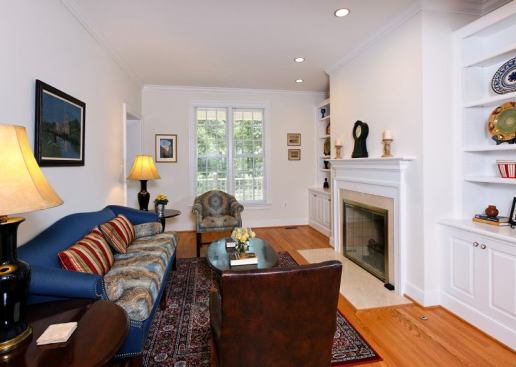
The homes prove that historic architecture can be every bit as energy efficient as any house style. In this case, they blend 19th Century architecture with high-performance design and construction. Designed by Cole & Denny, an Alexandria-based architectural firm, the 2,700-square-foot homes are situated at the west end of the campus and express the Seminary’s sustainable ethos.
“We view LEED as an important investment tool providing greater operational efficiency and long-term benefits for all of our buildings,” says Dave Mutscheller, the group’s facilities manager. LEED, he adds, has reinforced the Seminary’s appreciation of its unique pastoral location within Alexandria, while providing a new environmental focus for faculty and students. The Very Reverend Ian Markham, the Seminary’s dean and president, says that going forward environmental values will remain a top priority.
The architects chose strategies that will yield maximum benefit. They designed the semi-detached homes to share a common wall, which reduces the overall footprint of the building and preserves open space.
Other high-efficiency strategies include Zip System sheathing, spray foam insulation for walls and roof, fluorescent and LED light fixtures, high-efficient gas furnace and air conditioner units, and Energy-Star appliances.
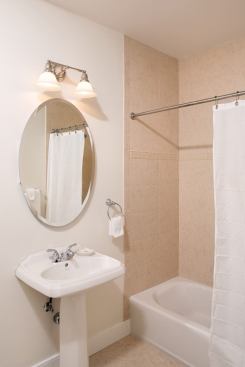
Moreover, low-flow fixtures and faucets, and drought tolerant landscaping and permeable-paving reduce irrigation and help groundwater runoff. Low volatile organic compound paints and sealants enhance indoor air quality
“Our design encompasses both aesthetics and efficiency,” says Kristine Hesse, a principal at Cole & Denny and the designer of the homes. “Efficient land management and energy savings were top priorities for our client.”
Learn more about markets featured in this article: Washington, DC.