
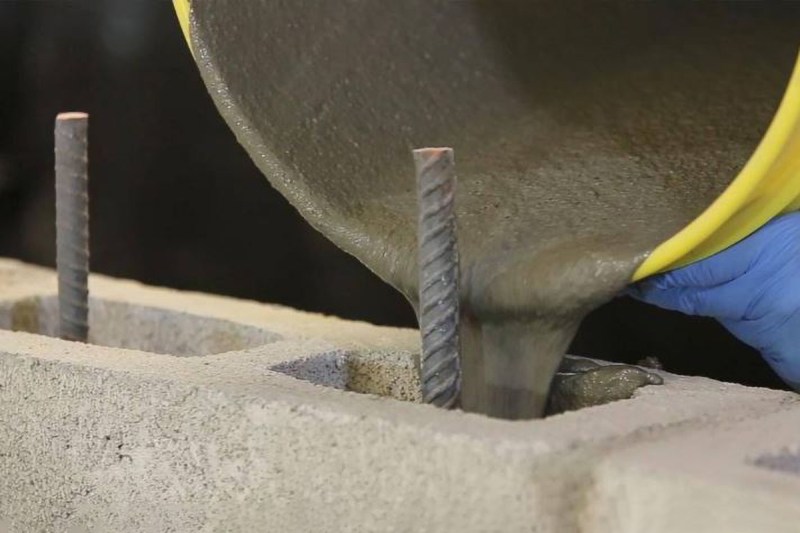
In structural construction, grout rarely gets top billing. It’s specified, placed, and often forgotten—right up until something goes wrong. When it does, the consequences don’t stay small. Misaligned equipment, uneven load transfer, premature cracking, and issues that start at the grout line can ripple through an entire structure.
Where Jobs Go Sideways
Talk to contractors across the country, and you’ll hear a consistent theme: most grout failures aren’t product failures, they’re installation failures.
A contractor from the Houston area put it bluntly:
“If the grout doesn’t fully fill the space, nothing else matters. You can have the strongest grout in the world, but if it doesn’t make full contact, it’s going to fail.”
That perspective shapes how experienced crews approach every job. When choosing a grout, they’re not just looking at compressive strength; they’re asking practical questions.
- What load will this carry?
- What environment will it face?
- How does it need to flow during placement?
Flow comes first; always.
High-performance grouts expand the margin for success. They flow better, perform stronger, and last longer than ever before, but they haven’t changed the fundamentals.
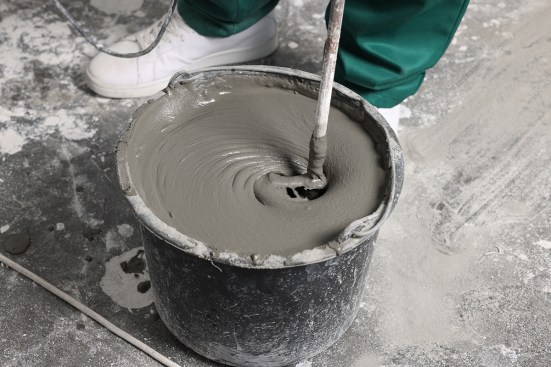
Substrate Preparation: The Deciding Factor
Improper substrate preparation remains the leading cause of grout failure. Dust, oil, grease, curing compounds, or even a surface that’s too smooth can prevent proper bonding.
Field crews who get it right follow a disciplined process:
- Remove all contamination mechanically
- Roughen the surface (targeting a CSP 4 or greater)
- Clean thoroughly
- Prepare steel by blast cleaning to a white metal finish
- Bring concrete to a saturated surface-dry (SSD) condition
That last step is often misunderstood but critical. SSD means the concrete is internally damp, but with no standing water on the surface.
Skip it, and dry concrete will pull water out of the grout too quickly, weakening the bond before it has a chance to develop.
“Most failures trace back to prep,” the contractor noted. “Dust on the surface, concrete too smooth, or the substrate being too dry—it all leads to bond failure.”
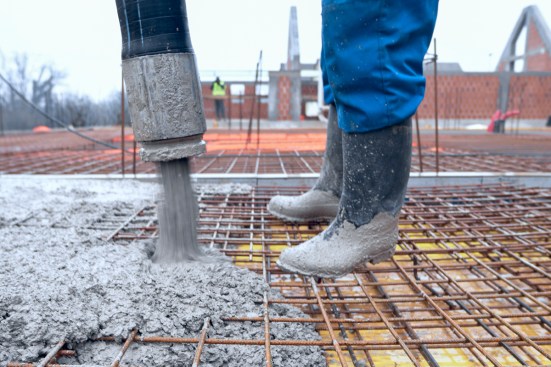
The Real-World Variables No Data Sheet Can Control
Weather and environment can quickly undo even the best plan. As the same contractor explained:
“Temperature is probably the most important factor. In hot weather, grout sets too fast and you lose working time. In cold weather, strength gain slows, and if it freezes, you’ve permanently damaged the grout.”
Wind, heat, and dry substrates can pull moisture out too quickly. Cold conditions can delay curing or stop it entirely. Every variable matters.
Managing Extreme Conditions
In hot conditions:
- Use cold mixing water
- Store materials in the shade (40 to 90 degrees Fahrenheit)
- Work early morning or late evening
In cold conditions:
- Warm the mixing water
- Store materials in heated, dry spaces (40 to 90 degrees Fahrenheit)
- Protect placed grout from freezing
In all conditions:
- Pre-wet dry substrates thoroughly
- Protect grout immediately after placement to control moisture loss
- Maintain ambient air and substrate temperatures above 45 degrees Fahrenheit
These adjustments aren’t optional; they’re the difference between grout that performs and grout that fails prematurely.
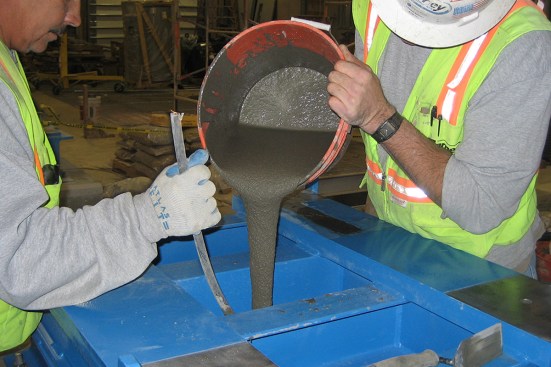
Execution Still Rules the Outcome
Even with proper prep, execution must be just as controlled.
Best practices in the field remain consistent:
- Use measured water only
- Follow manufacturer mixing times
- Adjust mixing methods appropriately
- Pour from one side to maintain continuous flow and avoid air pockets
High-performance grouts like SikaGrout High-Performance Cementitious Grout offer a real advantage. Their enhanced flow characteristics often allow for pumping at high fluidity, reducing labor, and improving consistency. SikaGrout is also formulated with a unique two-stage, shrinkage-compensating mechanism that helps offset shrinkage in both plastic (fluid) and hardened states, by expanding while still fluid and continuing to expand slightly after hardening.
The result is improved installation efficiency, greater consistency, and long-term stability where it matters most. Grout doesn’t typically get the spotlight, but when it fails, everything built on top of it feels the impact.