Hitting strict energy targets is getting harder. As codes continue to raise the bar, builders are having to get creative to find practical tradeoffs that improve performance without adding major cost.
That’s what makes buried ducts worth a fresh look.
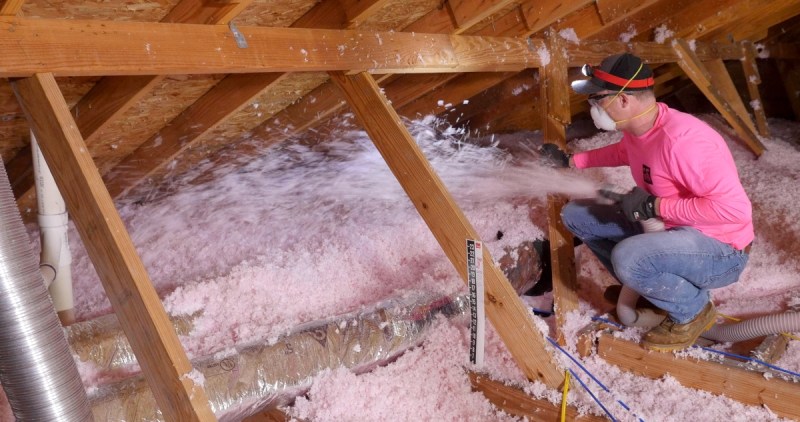
A buried duct system lowers HVAC ducts to the attic floor and covers them with insulation to shield them from extreme attic temperatures. This reduces thermal loss and improves delivery temperatures at the register.
The concept itself is not new. Builders and researchers have explored buried ducts for decades. The appeal is easy to understand: In a hot attic, cold supply air traveling through ducts can pick up a surprising amount of heat before it ever reaches the room it is meant to cool. The longer the run, the worse the problem becomes.
In hot-humid climates, however, buried ducts have long come with a catch. If cold ducts are surrounded by attic conditions that support condensation, moisture problems can follow. That concern has limited broader use in markets such as Florida and parts of Texas and the Southeast.
But a new approach solves that problem. Burying ducts in insulation within an unvented attic, paired with a vapor diffusion port at the ridge and a small amount of supply air, helps manage moisture.
The system offers a relatively low-cost way to get performance that is close to a ducts-in-conditioned-space approach without forcing builders to route ducts down into living areas, which is getting harder to do in modern homes. Open concept floor plans mean there are fewer hallways to run ducts through.
Instead, this approach keeps ducts in the attic but changes the conditions around them.
That can have a meaningful effect on HVAC performance. The result is more consistent supply-air temperatures at the registers, which can help address room-to-room comfort problems while also easing the load on the system itself.
This is where the energy-code conversation gets interesting.
Reduced thermal loss can allow builders to size HVAC equipment down, says Nelson Conarroe, who leads building science for Owens Corning.
“Most of the trials that we did, we saw one to 1 1/2 tons in reduction of size of the system,” Conarroe says.
Buried ducts also could become one more lever builders pull as codes tighten and HERS targets get harder to hit. Because the approach effectively helps move duct performance closer to conditioned-space behavior, it can deliver compliance value in addition to operational benefits.
Just as important, the duct system itself does not fundamentally change. Builders may need modest adjustments, including additional insulation, a vapor diffusion port, and details that create an unvented attic assembly. Crews can execute the work without a wholesale shift to unfamiliar construction techniques.
“These are all traditional, conventional construction practices that are used today,” Conarroe says.
That may be the real selling point for production builders. Many energy upgrades look promising in a model or lab environment but struggle once they hit the field. A strategy that offers code help, comfort gains, and possible HVAC downsizing—while staying close to standard practice—has a better chance of scaling. Learn more.