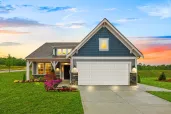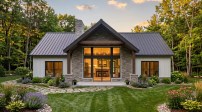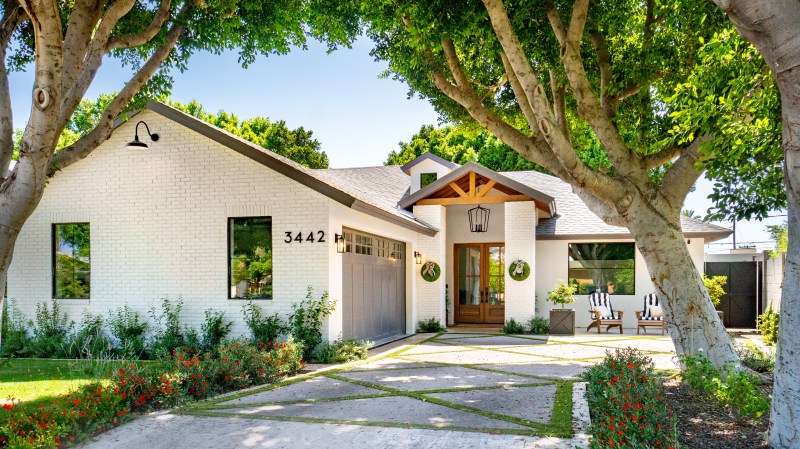
Curb appeal in 2026 is less about pristine resale value and more about personalization, privacy, comfort, and emotional connection.
For builders, that means exterior design, front entries, landscaping, color packages, and outdoor living options should be treated as lifestyle differentiators and not just finish details.
Thumbtack’s fourth annual Curb Appeal Report reveals that homeowners are embracing self-expression in front yards, wanting privacy in their backyards, and leaning into more mood-driven color. Below are six actionable insights for builders based on the latest report:
1. Homeowners Want Outdoor Spaces That Feel Personal
Nearly two-thirds of homeowners are updating plants, flowers, or greenery this season, while about one-third are refreshing front doors, entryways, or outdoor lighting.
The front yard and entry are becoming extensions of the homeowner’s identity. Buyers are looking for homes that feel welcoming and customizable from the curb, not just functional once they walk inside.
Quick tips:
- Offer curated landscaping packages with upgrade tiers.
- Add more front door color options, hardware choices, and lighting packages.
- Showcase model homes with distinct curb appeal personalities rather than one uniform exterior look.
- Highlight “easy personalization” features in sales materials.
2. “Analog Living” Is Driving Hands-On Outdoor Projects
The report ties gardening, painting, planting, and other small outdoor updates to a broader desire to unplug and unwind.
Outdoor areas can be marketed as restorative spaces, not just aesthetic ones. Buyers increasingly value simple, tactile activities—gardening, porch sitting, entertaining, and relaxing outdoors.
Quick tips:
- Design front porches, side yards, patios, and garden zones as usable spaces, not leftover square footage.
- Include raised garden beds, planter-ready spaces, or optional potting/storage areas.
- Stage outdoor spaces around daily rituals: morning coffee, gardening, evening conversation, or weekend entertaining.
3. Privacy Is a Major Driver of Outdoor Investment
More than half of homeowners are investing in projects such as patios, fences, awnings, and similar upgrades that create privacy and separation.
Privacy is becoming a core outdoor living feature. This matters especially in higher-density communities, build-to-rent neighborhoods, townhomes, and attainable single-family communities where lot sizes may be smaller.
Quick tips:
- Make privacy a standard design consideration, not just an add-on.
- Offer fencing, privacy screens, pergolas, awnings, and landscape buffering as options.
- Use side-yard and rear-yard design more intentionally.
- In marketing, position private outdoor areas as “personal retreats” rather than simply patios or yards.
4. Color Is Becoming a Low-Cost Personalization Tool
More than 40% of homeowners are using colorful accents to personalize outdoor spaces, and nearly one-third are using color to create a specific mood.
Exterior color is becoming an emotional selling point. Buyers want homes that feel warm, distinctive, and expressive—but still neighborhood-appropriate.
Quick tips:
- Revisit exterior color palettes, especially if they rely heavily on grays, stark whites, or black-and-white combinations.
- Introduce warmer neutrals, earthy tones, greens, browns, terracotta, navy, and other accent colors.
- Offer front door, shutter, trim, planter, and garage accent packages.
- Use digital or physical color visualization tools to help buyers feel confident selecting bolder options.
5. Buyers Want Individuality, But Still Care About the Neighborhood
More than half of homeowners experience “yard envy” at least occasionally, while over 30% actively avoid HOAs that limit self-expression.
There is tension between cohesive community design and homeowner freedom. Buyers want attractive neighborhoods, but they do not want communities that feel overly restrictive or cookie-cutter.
Quick tips:
- Create architectural guidelines that allow controlled variation.
- Offer broader—but still curated—exterior elevation and color choices.
- Avoid streetscapes where homes feel too repetitive.
- For master planned communities, emphasize “design flexibility within a cohesive community vision.”
6. Budget Is Still the Biggest Barrier
While 44% of homeowners plan to spend between $100 and $499 on curb appeal projects this year, nearly six in 10 say cost is their biggest barrier.
Buyers may value curb appeal, but they are cost-sensitive. Small, high-impact features can matter as much as expensive upgrades.
Quick tips:
- Focus on affordable curb appeal wins: lighting, door color, planters, address plaques, porch details, and simple landscape enhancements.
- Include more “included value” at the front elevation.
- Offer small upgrade bundles that feel attainable.
- Position certain exterior upgrades as high-impact, lower-cost personalization choices.