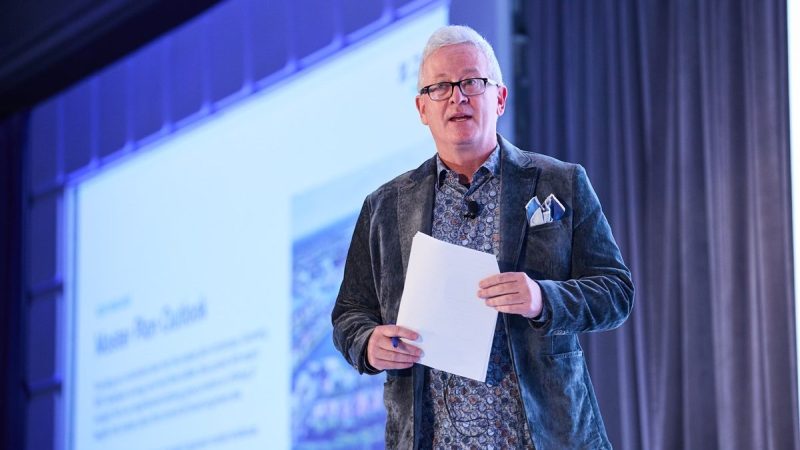
As the housing market evolves, developers and builders are being challenged to rethink everything from land strategy and master plans to AI adoption and buyer preferences. Future Place brings together many of the industry’s leading economists, developers, strategists, and innovators to tackle those topics head on.
Based on this year’s agenda, here are six reasons builders should consider attending.
1. Get the Latest Read on Housing and Master-Planned Community Trends
Attendees will hear fresh economic insights and market forecasts from Zonda experts, including Zonda and NewHomeSource chief economist Ali Wolf. Sessions will be focused on housing signals, master-planned community performance, and emerging market shifts.
2. Learn Where Industry CEOs Are Placing Their Bets
A CEO panel featuring leaders from DMB Development, Freehold Capital Management, and Huffines Communities will explore where large-scale communities are headed and how developers are positioning themselves for long-term growth.
3. Explore the Future of AI in Home Building
Artificial intelligence continues to reshape housing, sales, marketing, and operations. Future Place includes a dedicated session on AI in home building led by Zonda president Jeff Meyers, offering insight into what’s next for the industry.
4. Better Understand Tomorrow’s Home Buyer
From generational shifts to demographic changes, Kim Lear, founder and generational researcher of Inlay Insights, will share a data-driven look at the next wave of home buyers and how their preferences could influence future community design, amenities, and housing products.
5. Gain New Ideas for Land and Capital Strategies
Sessions on creative financing approaches, land development, and the impact of technology-driven growth markets will provide practical perspectives for navigating today’s increasingly complex development landscape. Hear from leaders at Olympus Housing Capital, Bedrock Land Finance, Brookfield Kotler Land Partners, and Piper Sandler.
6. Discover Emerging Community Concepts
The agenda highlights innovative ideas ranging from culinary-focused communities to large-scale developments centered on education, health care, and mixed-use destinations, giving builders examples of how placemaking continues to evolve.