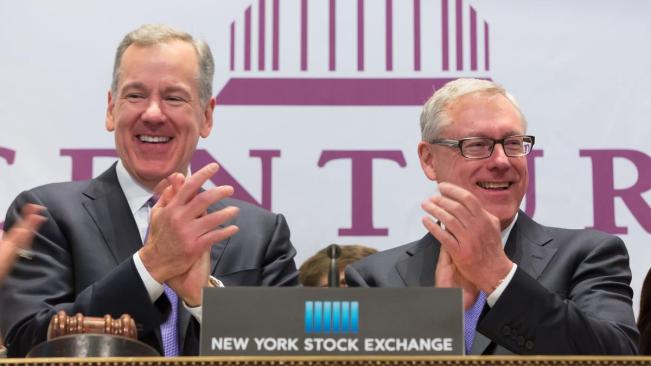
The acquisition gives Century a foothold into the Southeast and the nation’s fifth largest housing market, according to Metrostudy. “The sheer size of it [Atlanta] makes it attractive,” says Dale Francescon, Co-CEO of Century. “The other thing that makes it attractive, at least to us is that Atlanta is still recovering market as far as home building is concerned. So we think there’s upside in that market.”
Century isn’t alone. In May, Fort Worth, Texas-based D.R. Horton bought Crown Communities, the No. 1 builder in Atlanta. The deal brought the top builders in the Atlanta market together. In July, Scottsdale, Az.-based Meritage Homes bought Atlanta-based Legendary Communities. With Westlake Village, Calif.,-based Ryland Homes, Atlanta-based Pulte Homes, and Miami-based Lennar already in Atlanta, the landscape has changed dramatically since the mid 2000’s. “Prior to the downturn, there were a lot of non-public builders in that market,” says Rob Francescon, Co-CEO of Century. “The downturn kind of changed that. A lot of those builders exited that home building market. Now it’s a clean slate and it makes a lot of sense to go into that market.”
But according to Metrostudy, the publics now have 27.5 percent of the Atlanta market. And, that percentage could continue to grow. “For that size of market, there aren’t as many public home builders as we think there will be,” says Rob Francescon. “We think we’re getting in more on the ground level as a result of that.”
“The downturn put a lot of people out of business,” says Eugene James, regional director of Metrostudy’s Atlanta office. “The larger builders were better financed and took advantage of a lot of distressed land and lots. Now they’re reaping the benefit of having done so.”
Peachtree’s Footprint
“Peachtree builds larger homes with a lower price per square foot,” James says. “The product is more affordable than most other homes [in that size range]. But most of the time they will be a little further out.”
While the entry-level buyer hasn’t traditionally been Century’s main target, it sees growth potential with Peachtree. “Peachtree is mostly an entry-level builder and they have some move-up [homes],” says Dale Francescon. “We think they have additional growth potential to increase that entry-level offering but also to add to that move-up offering as well.”
With the purchase, Century announced the hiring of Rick Carruthers, former CEO of Peachtree, to lead the Atlanta operations as executive vice president of the company and serve as its Atlanta Division president. Tom Justice, former COO of Peachtree, will serve as senior vice president of operations for Atlanta.
“Peachtree is a great addition to the Century portfolio and brings a proven operating platform with a seasoned management team that has delivered in excess of 900 homes over the last 12 months. Additionally, the Atlanta market provides us an exciting opportunity to create a scalable platform for growth and operating efficiencies to further generate shareholder value,” commented Rob Francescon said in the press release announcing the sale.
Michael P. Kahn & Associates LLC represented Peachtree in the transaction.
More Growth Ahead?
With the Peachtree, Century’s total land position of owned and controlled lots grows to 11,569, which is a 39-percent increase since the end of 2013. That increased was fueled by two acquisitions. In April, Century purchased Vegas builder Dunhill Homes and, in August, it bought Houston’s Grand View Builders.
After that purchase Century CFO Dave Messenger told BUILDER to expect more activity from Century. He listed Dallas, Seattle, Salt Lake City, and Northern and Southern California as possible future destinations. He said the company could even look to the Eastern half of the U.S. And, that’s exactly where it went with the Peachtree buy.
“We think we’re in the early stages of the housing recovery,” Messenger said. “We’d rather be able to play a bigger part in the recovery [by making acquisitions] as opposed to doing greenfield acquisitions and waiting a couple of years for those first dollars to come back in.”