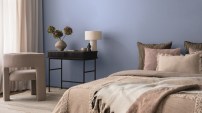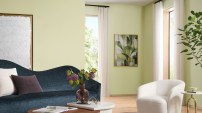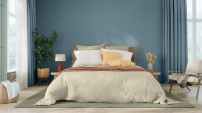
As we approach midyear 2026, clear themes are emerging in new-home design. Homeowners are prioritizing thoughtful spaces, practical luxury, purposeful design, and experiences that enhance everyday life, both inside and outside the home.
From invisible kitchens to intentional homes, here are the top new-home design trends to watch this summer.
The Rise of the Intentional Home
Homeowners are putting more thought into how every room is used, making 2026 the year of the intentional home. It’s about creating space that functions and feels right versus occupying square footage.
Designing an intentional home is less about what is chosen and more about why elements are prioritized. The idea is simple: every room, feature, and furnishing has a clear emotional or functional purpose.
In new homes, intentional design is showing up in home libraries, craft rooms, wellness spaces, and purpose-driven flex rooms. Kitchens are being tailored to how families actually cook and gather, with storage solutions designed around everyday routines.
As part of the intentional home movement, homeowners are blending vintage with modern, eschewing fast furniture for craftsmanship and artisanal goods, and curating aesthetics over time.
The Invisible Kitchen
The kitchen is becoming a living space where people like to gather and linger, rather than being solely a workspace. Design is evolving to conceal utility-first features for a cleaner, more cohesive aesthetic, also known as the invisible kitchen.
“Kitchens are becoming living spaces, and the question becomes ‘what do I to want to see’,” when gathering with friends and family, says Gladys Schanstra, owner/creative director of Drury Design.
Invisible kitchen design might include:
- Cabinetry that conceals shelves, on retractable doors
- Paneled appliances
- Appliance garages
- Hidden cooktops
- Millwork that disguises outlets and charging stations
- Seamless sinks that blend into countertops
- Natural, neutral finishes
- Simple, small cabinet hardware, or no hardware, with push-to-open cabinets, to keep clean visual lines
- Back kitchens, or sculleries, are also growing in popularity, keeping storage, workspace, and appliances out of sight
Ventilation is less visible, with pop-up fans and minimalist range hoods that blend into the background but are still working hard.
“We’re starting to design to be able to keep the function, but conceal the actual mechanism that performs it,” she says.
Luxury Gets Practical And Right-Sized
Just because homes are getting smaller doesn’t mean luxury is disappearing.
For example, KLAFS, a Kohler brand, recently released the world’s first retractable sauna. This sauna demonstrates that the real luxury for homeowners today is flexibility.
When closed, it’s about the size of a bookshelf, and can expand three times its size with the touch of a button, bringing a traditionally large wellness feature into homes where space is at a premium.
Meanwhile, wine cellars were once a hallmark of a luxury home. Homeowners are keeping the wine collection, but opting for wine feature walls, integrated into the living space, or installing in-island wine fridges instead.
Many higher-end floor plans might have featured a wet bar when footprints were bigger. Instead, homeowners are now opting for multipurpose faucets in the kitchen, which deliver anything from hot water to sparkling water to wine, removing the need for a wet bar.
Utility Spaces Step Into the Spotlight
Laundry rooms and mudrooms were once designed to be hidden but have had a stylish makeover that puts these rooms on par with the rest of the house.
Function remains the priority, with built-in storage, integrated hampers, multifunctional surfaces, and zoned layouts.
Many laundry rooms and mudrooms now double as pet spaces, with built-in dog washes, crates, and dedicated storage.
Natural materials, wallpaper, millwork, bold colors, and statement tile, which might have been reserved for main rooms in the past, are bringing personality to utility spaces.
Smaller Yards, Bigger Ideas
Yards are becoming more compact, which means good design matters more than ever.
Mollie Carmichael, principal of master plan and product insights at Zonda, BUILDER’s parent company, says that a recent buyer trend survey revealed that 72% of buyers are willing to scale down yard size, as long as it is thoughtfully designed.
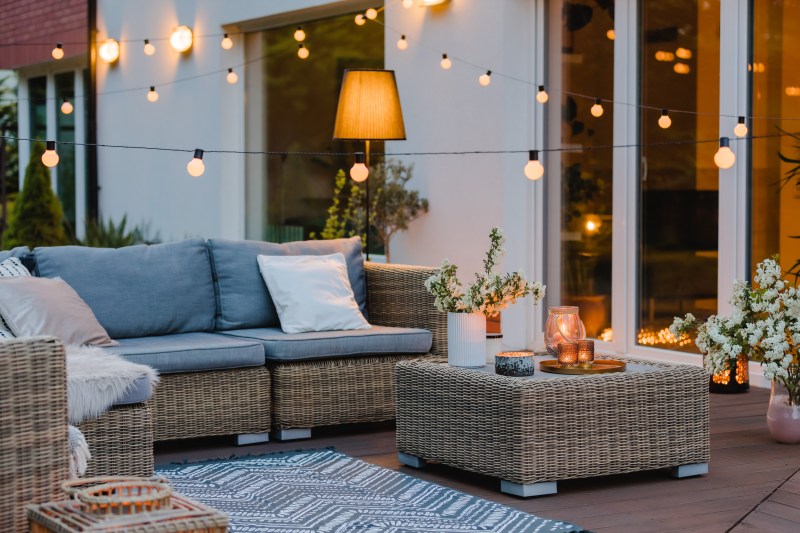
The same approach that offers comfort and style inside is being applied outside: zoned layouts, layered lighting, comfortable seating, and dedicated dining areas.
According to Houzz’s 2026 Outdoor Trends Study, interest in shade structures has surged in 2026, indicating that homeowners are putting comfort first outdoors and looking for ways to extend usability.
Fire pits and outdoor fireplaces continue to lead outdoor trends, providing warmth, decorative features, and a natural gathering place.
The Authentic Beauty of Natural Materials
Patina is becoming a design feature, with homeowners choosing natural materials that develop character over time and bring texture, warmth, and authenticity to a space.
Google search trends show growing interest in wabi-sabi, a Japanese design philosophy that celebrates the beauty of imperfection and natural aging.
Meanwhile, natural wood cabinetry remains a favorite in kitchens, prized for its warmth, visible grain, and unique variations.
Natural stone is also appearing well beyond countertops, taking on a bigger role in the aesthetic throughout the whole home. Popular are marble, limestone, and travertine surfaces that evolve with age.
“I think people are just gravitating towards natural stone because of its warmth and longevity,” says Schanstra. Homeowners also have a better understanding of how to care for natural stone and “aren’t as intimidated by those stones, and are going for that luxurious sort of feel and look.”
Community Pools Making a Splash
In master-planned community design, community pools continue to be coveted by buyers.
According to Zonda’s Homebuyer Outlook, which tracks buyer search activity, community pools are the most popular amenity, a trend that has been taking shape for some time, but is showing momentum through 2026.
“As homes and yards continue to shrink, the community pool has also become an important gathering place. It is somewhere for friends to meet, catch up, barbecue, sunbathe, or bring kids to play. In many ways, it serves as a “third place” alongside home and work, offering a shared social space within the neighborhood,” says Ali Wolf, chief economist for Zonda and NewHomeSource.
Today’s top pool trends are resort-inspired and feature free-form shapes, tanning ledges, waterparks, lap pools, and beach-style, zero-entry designs.
As these trends continue to gain momentum, one thing is clear: thoughtful design is shaping every aspect of the homeownership experience, from floor plans and finishes to outdoor spaces and community amenities.