Strong first quarter performance across California’s leading master-planned communities underscores a consistent theme for builders: execution at the community level is driving results even in a constrained affordability environment.
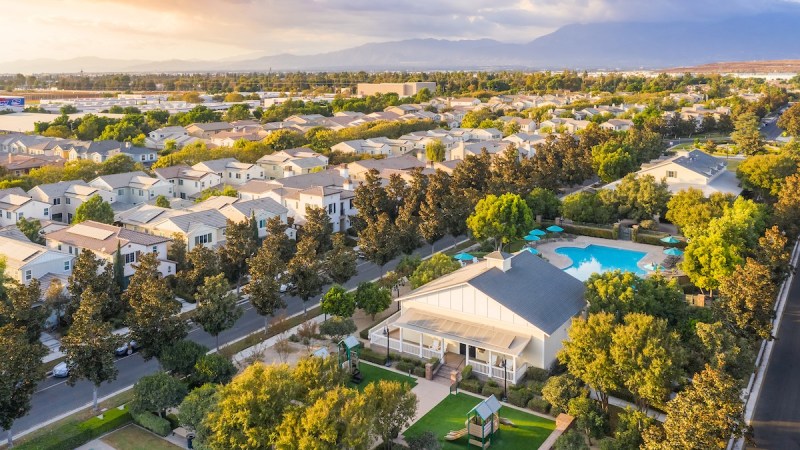
Riverstone | Fresno
Riverstone by Riverstone Development led the state with 138 sales in Q1 2026, driven by a clear affordability advantage relative to higher-cost coastal markets. The community stands out for its broad product mix, with multiple builders offering a range of price points and home types that capture diverse buyer segments.
Riverstone reinforces the value of price segmentation within a single master plan. In today’s market, communities that can serve a variety of buyers at different life stages are better positioned to maintain sales pace and adapt to shifting demand.
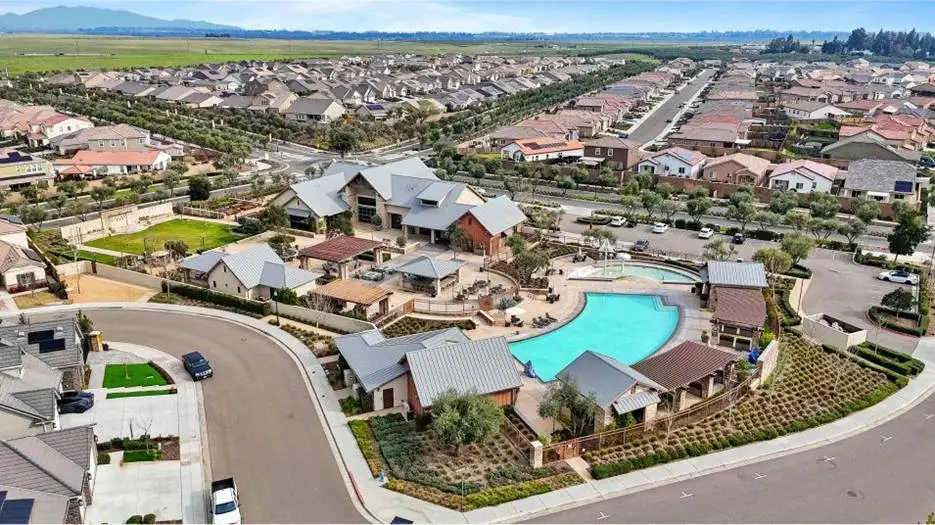
Ontario Ranch | Riverside-San Bernardino
Ontario Ranch by multiple builders/developers ranked second with 117 quarterly sales, highlighting the continued strength of large-scale development in high-growth corridors. Its performance reflects a coordinated approach between builders, infrastructure investment, and municipal alignment.
What differentiates Ontario Ranch is scale. The ability to deliver housing alongside schools, retail, and transportation access creates a more complete community offering and supports sustained absorption over time.
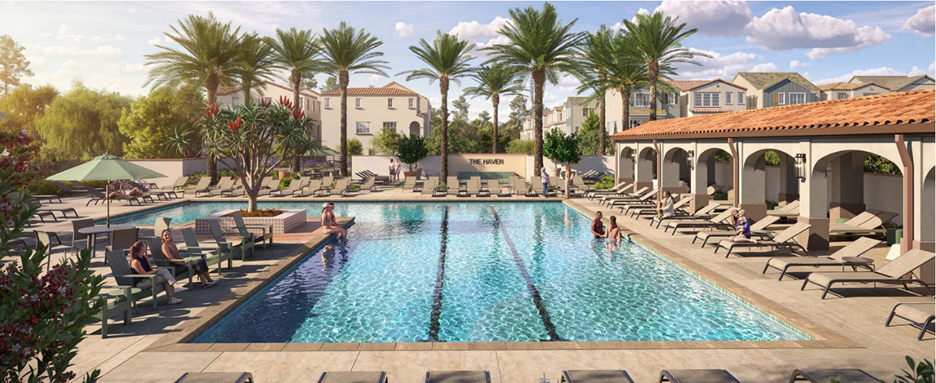
Folsom Ranch | Sacramento
Folsom Ranch by Risewell Homes/Westland Capital Partners rounded out the top three with 105 quarterly sales, signaling steady demand in Northern California despite ongoing affordability pressures. The community distinguishes itself through lifestyle positioning, with an emphasis on open space, trail networks, and integrated land use.
As affordability tightens in higher-cost markets, lifestyle has become a critical lever. Communities that successfully blend residential, recreational, and commercial uses are better able to justify pricing and maintain buyer interest.
What Matters for Builders
Across all three communities, several themes stand out. First, product diversity remains essential to capturing today’s fragmented demand. Second, scale and phasing continue to matter, particularly when paired with infrastructure and long-term planning. Finally, lifestyle and placemaking are increasingly important differentiators, especially in markets where affordability alone is not enough to drive decisions.
For industry stakeholders, these communities offer a clear takeaway: success in 2026 is less about any single market and more about how effectively a master plan aligns pricing, product, and experience with the needs of today’s buyer.
The insights in this article were taken from more in-depth research reports published in Zonda’s Master Plan Outlook.