As large-scale, master-planned communities (MPCs) mature, growth increasingly depends on maintaining relevance rather than adding more acreage. Westhaven in Franklin, Tennessee, illustrates how strategic product diversification can extend a community’s lifecycle, attract new buyer segments, and sustain momentum well beyond its initial development phase.
A Community Designed to Evolve
Developed by Southern Land Co., Westhaven opened in 2003 and spans roughly 1,500 acres, with plans for approximately 3,000 homes alongside a mixed-use environment. With more than half of its planned homes already sold, the community has firmly transitioned from a growth-phase MPC into a more mature one.
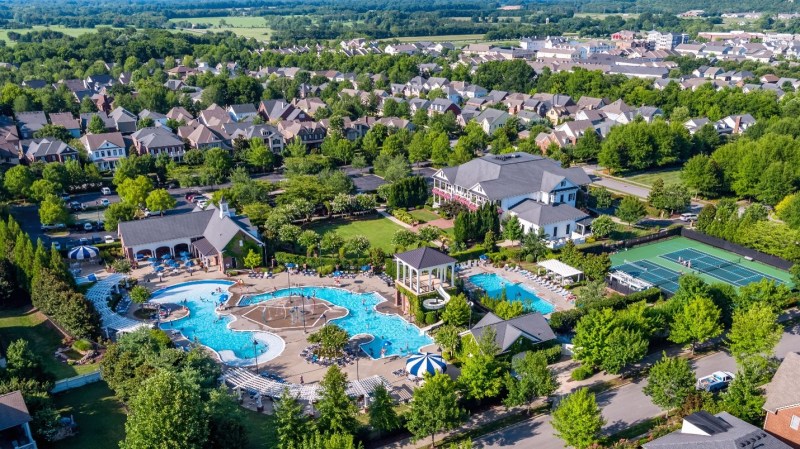
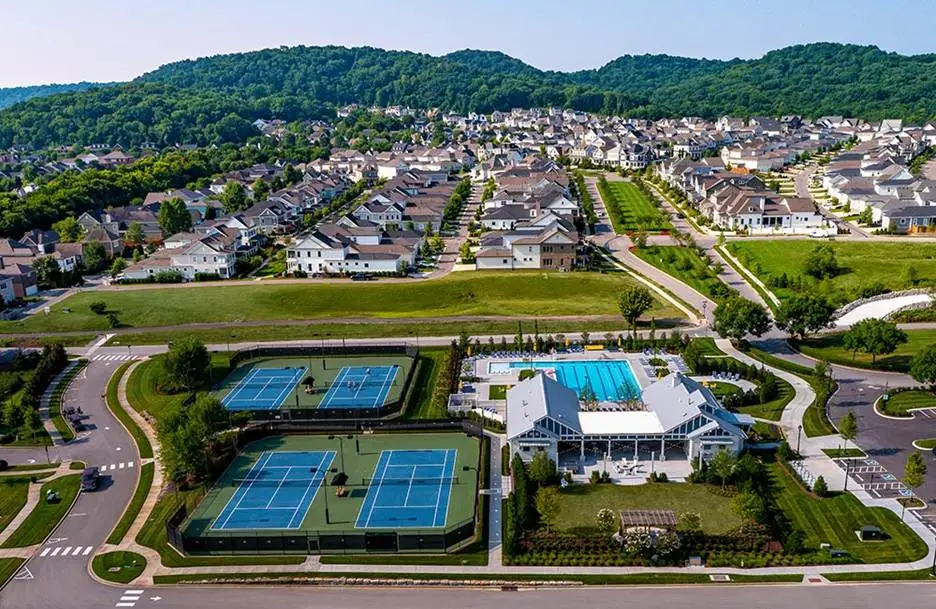
That transition has been supported by Westhaven’s long-standing emphasis on placemaking and amenities. Over time, the community’s amenity base has evolved from a primary sales driver into durable social infrastructure that supports resident engagement and reinforces the lifestyle appeal of the community.
Reinventing Demand in a Mature MPC
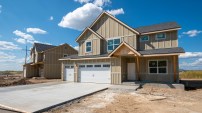
Rather than viewing maturity as a limitation, Westhaven has treated it as an opportunity. In late 2023, the community introduced a dedicated active-adult segment featuring single-family homes. Additionally, the Astor Club & Residences is scheduled to open in 2028 and will introduce rental options to the 55+ community.
Together, these additions reflect a broader lifecycle-planning strategy aimed at both existing aging residents looking to downsize and new buyers seeking an established, amenity-rich environment.
Early performance suggests the strategy is working. As of April 2026, the active-adult, single-family homes were already more than 50% sold out and generating strong monthly sales activity. Importantly, absorption has remained steady since launch, indicating demand that is durable rather than front-loaded. For a late-stage MPC, that consistency is a critical signal that the product aligns with market needs.
Lessons for Long-Term MPC Growth
Westhaven highlights a broader takeaway for developers managing aging master plans. Communities that are designed with flexibility, both in land use and product mix, are better positioned to evolve alongside their resident base. Introducing age-targeted or higher-density product within an established community allows developers to capture incremental demand without diluting the original vision or overextending infrastructure.
“Seeing Westhaven firsthand, what stands out is how intentional the experience feels at every level,” said Adam McAbee, Zonda’s senior vice president of advisory, after a recent visit to the community.
“Introducing higher density in a suburban location wasn’t typical when it launched, but the intentional focus on placemaking, design, landscaping, amenities, and everyday livability made it work. That’s what continues to differentiate Westhaven today.”
The insights in this article were taken from more in-depth research reports published in Zonda’s Master Plan Outlook subscription.