
Project Description
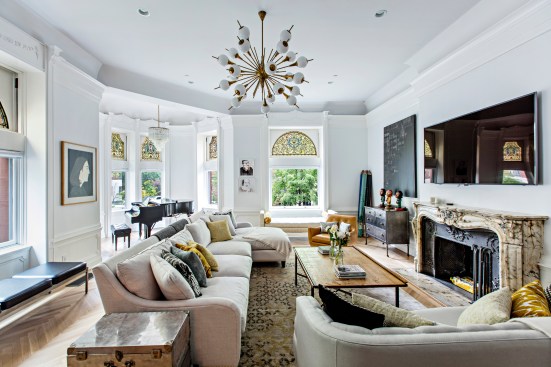
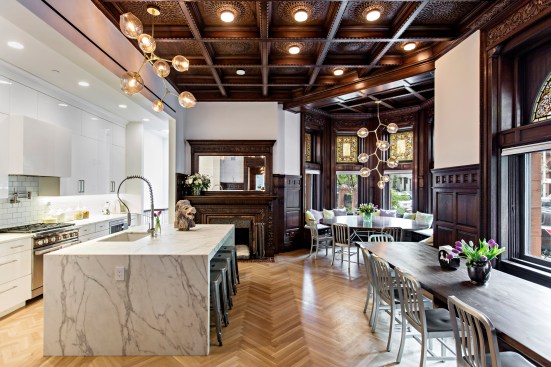
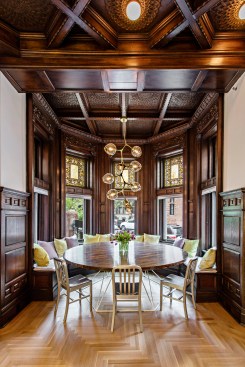
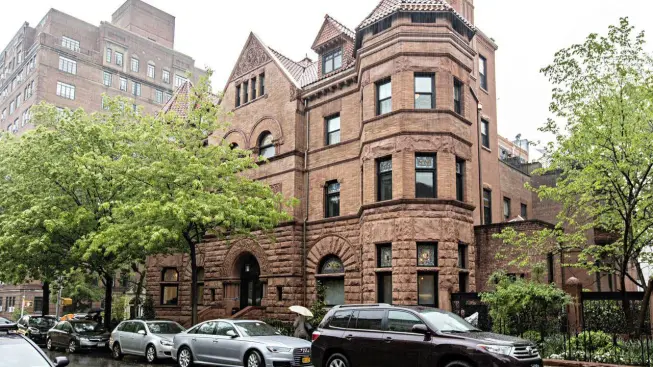
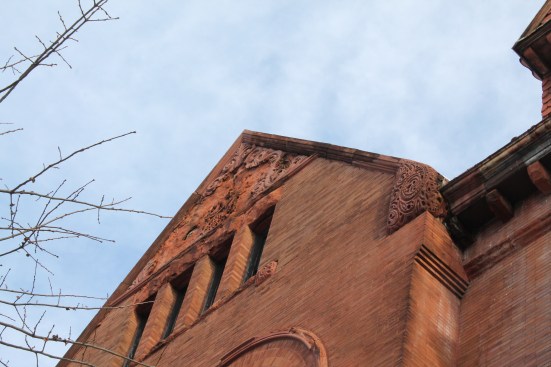
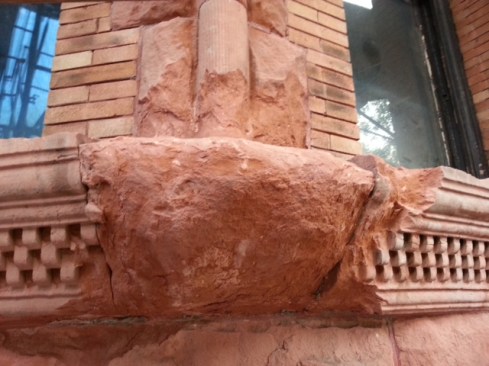
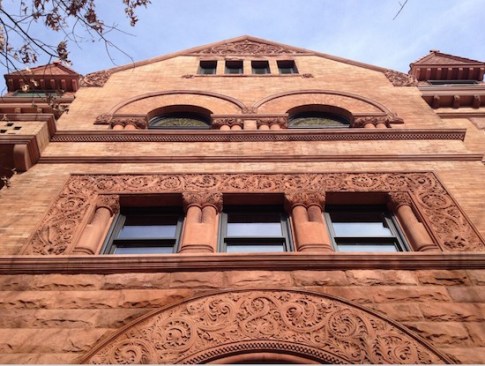
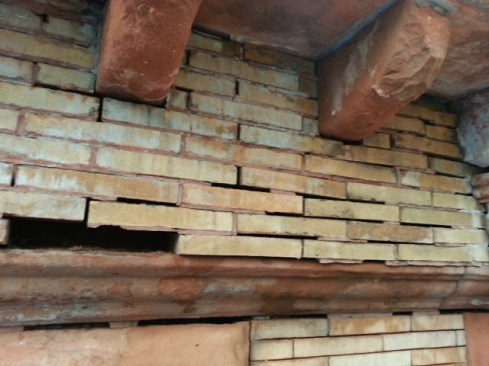
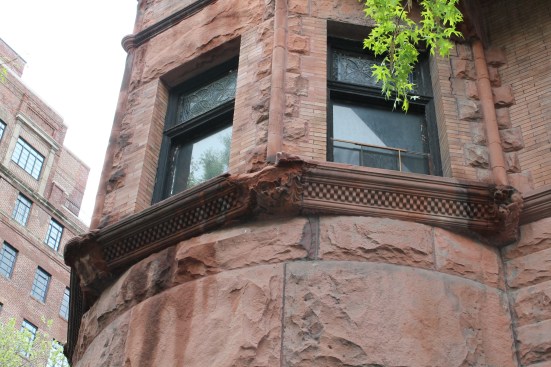
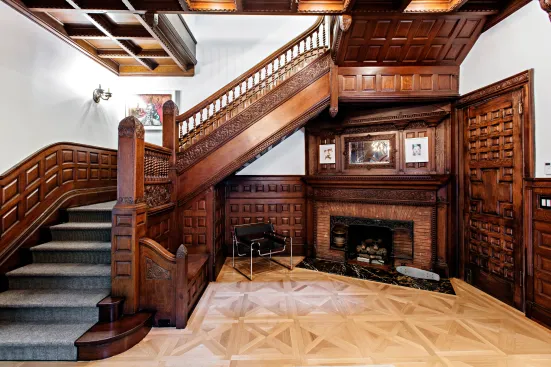
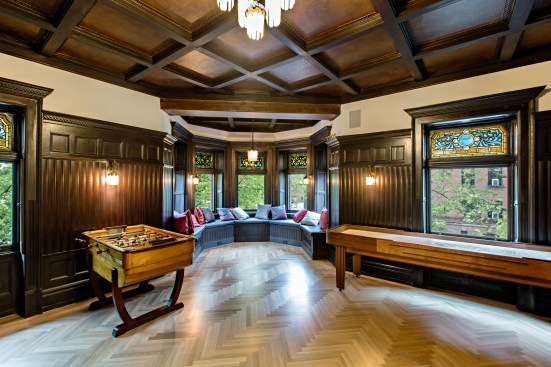
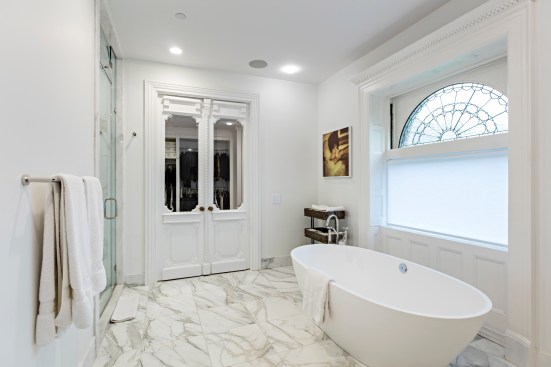
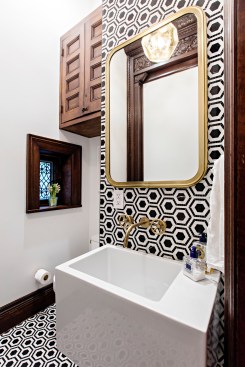
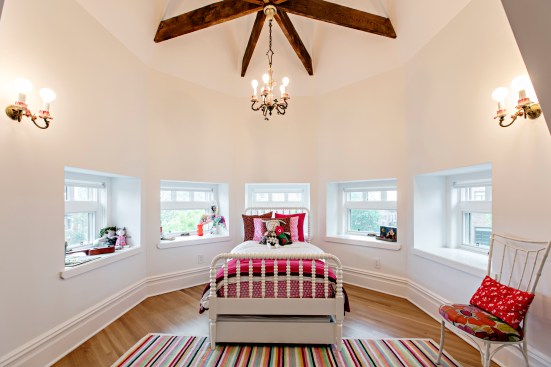
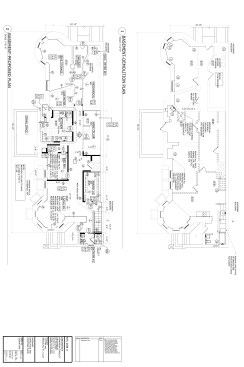
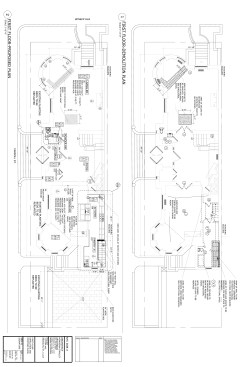
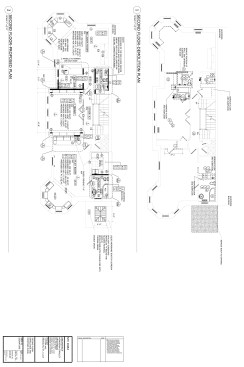
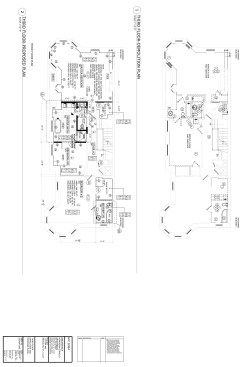
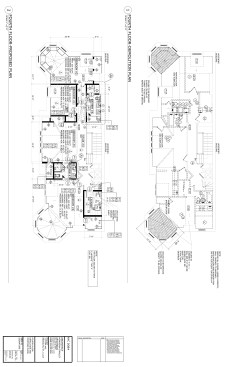
Overview of the project: To restore both the exterior and interior of a decapitated 11 unit apartment house into a family home for seven people. History: The ‘Chicklet Mansion’ was built around 1890 by Thomas Adams, the ‘inventor’ of Chicklet chewing gum. CPH Gilbert was chosen as the architect . He designed mansions for the leading families of New York, such as the Woolworths. The ‘Chiclet Mansion’ is considered to be the finest example of Romanesque revival architecture in New York City. It was designed in conjunction with 115 8th Ave. Mr. Adams son would reside in that home. The home looks larger than it actually is from the corner of 8th Ave and Carroll Street due to the design unison of the 2 buildings. We know the original layout of the house from an article published in the Brooklyn Daily Eagle on December 15, 1889. The land was purchased for $21,500 and the construction cost approximately $125,000. The article described the house in incredible detail from the types of wood used in the wainscoting to the oriental carpets and room furnishings. The original layout consisted of: Basement: Kitchen with storage areas 1st: Living room, large entry foyer, Dining room, silver pantry and back stair 2nd floor: Billiard’s Room, Library and Bedroom 3rd Floor: Master bedroom with 2 additional bedrooms 4th Floor: maid’s quarters and trunk storage. In 1957 it was converted to: Basement – 1 studio 1st floor – 1 studio and doctor’s office 2nd floor – 3 studios 3rd floor – 3 studios 4th floor- 3 studios The floor layout remained the same after the conversion- 3 rooms across but kitchenettes and bathrooms were inserted into the rooms. The perimeter of all the rooms and main stair remained intact. Very little woodwork was removed during the conversion so the house retained its overall stateliness. The building suffered great disrepair but it wouldn’t call it neglect in the sense that there would be molding missing from a door and then you’d find the pieces on the top shelf of a closet. I believe the residents and the superintendent knew how special the building was and hoped that someone would eventually restore it to its former glory. What we changed and what we kept the same: When the Novogratz’ purchased the building it was in need of a complete renovation/ restoration. The main formal rooms (Living room, entry room, main stair and billiards rooms) remained in decent condition. There was extensive interior water damages so new floor joists were installed joists throughout as well as a new terra cotta roof. The exterior’s Lake Superior red stone was crumbling off. The Carroll Street’s pediment was practically gone. Large pieces of the Sculptural bands were missing. The exterior needed a real face lift. For my design I reverted back to the original parti- 3 rooms across on the 3 main floors. Except, I placed the kitchen on the 1st floor where a service stair was located. The kitchen now opens up into the amazing, original wood paneled Dining Room. All of the woodwork in the house is very dark so I had to think of ways to bring light into the this incredibly formal dining room that would be one of the busiest locations in the house for a family of seven. My concept for the kitchen was a stage and the paneled eating area would be the audience. The kitchen is bright, white and modern. Its materials reflect light back into the dark dining room. This light is brought in by the pantry extension’s skylight and new glass door. The original Billiards Room is once again a Billiards room with a wet bar along with the adjacent Library. The master bedroom, in its original location now has an amazing master bathroom and dressing room. The fourth floor has 4 bedrooms and the interior of the turrets and dormers were are opened up to give a wonderful airy feeling. The project entailed levelling the floors by means of the installation of new joists. New plumbing was installed along with new heating that consists of both hydronically heated floors, forced hot air and air-conditioning. The terra cotta roof was replaced and the exterior was fully restored, all 80 windows were replaced and the stain glass was restored. The interesting part which perhaps most challenging was that you felt you were on a treasure hunt. Trying to find documentation of the exterior ornament or the original window configurations for the 4th floor. Also, putting together a team of craftsman that could handle the complexity of the project. The NYC landmarks Preservation Commission approvals were extensive. The windows package alone was 23 drawing sheets. As well as the documentation of the exterior and masonry specifications.