In the old days, builders couldn’t care less about solar reflectivity, heat-island effect, or Energy Star ratings. That’s why they would choose dark roofs, which reached such high temperatures that buyers felt uncomfortable in their homes.
Today, we know better. Roofs made from light-colored products and cool coatings can reduce the heat of the roof deck and result in better performance. “Traditional dark roofs can reach temperatures of 150ºF (66ºC) or more in the summer sun,” the Department of Energy’s Energy Efficiency & Renewable Energy division writes in its 2010 document, “Guidelines for Selecting Cool Roofs.” “A cool roof under the same conditions could stay more than 50ºF (28ºC) cooler.”
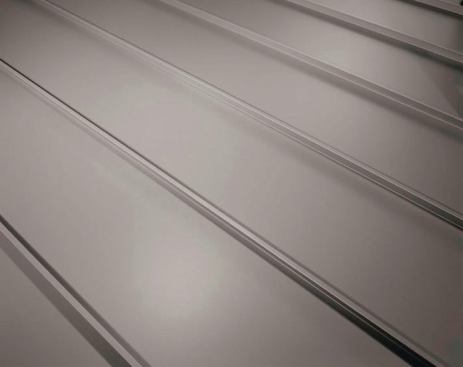
The demand for cool roofs is growing, and as a result so is the breadth of products. One of the coolest roofing options—literally and figuratively speaking—is metal. An unpainted metal roof reflects solar radiation, deflecting heat that would otherwise reach the home’s attic, saving homeowners up to 40 percent in annual energy costs. But the Washington, D.C.–based Metal Roofing Alliance says the product is even better today because manufacturers offer pre-painted or granular coated products that reflect solar energy.
Custom-Bilt Metals in Chino, Calif., says, for example, that its Titan Cool Roof is a premium two-coat system that will reflect up to 70 percent of the sun’s energy and save up to 20 percent on a home’s cooling costs. “Over time, [the roofs] can save thousands of dollars in both residential and commercial applications,” the company adds.
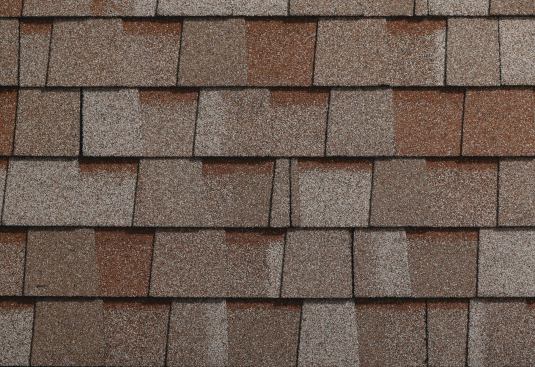
White- or light-colored roofs are great for reducing heat gain, but today even dark asphalt roofing can be used to help keep houses cooler. Companies, such as Valley Forge, Pa.–based CertainTeed, offer products that look like traditional asphalt roofing but feature specialized coatings that help reduce heat gain. The company’s Landmark Solaris Collection is one of these products. It “takes solar reflective roofing technology to the next level by providing a roof surface that achieves 40 percent solar reflectivity,” the company says.
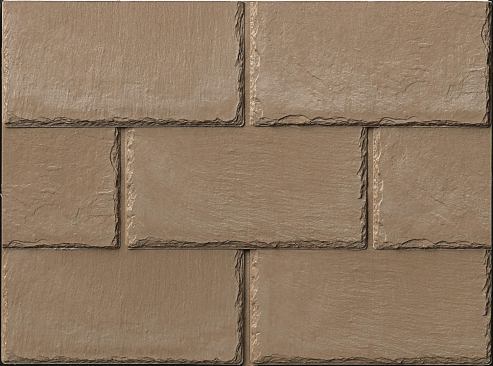
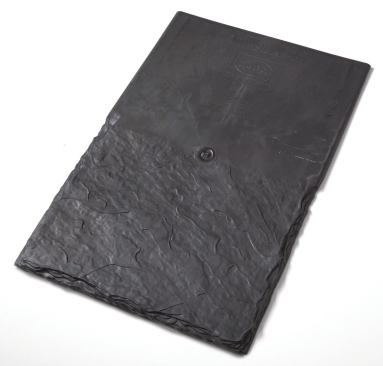
Composite roofing also can be used to help build an energy-efficient house. Energy Star–qualified InSpire Slate cool roofing from InSpire Roofing in Wixom, Mich., is a composite slate that uses pigment technology to provide high solar reflectance. “InSpire Roofing has allowed us to enhance the sustainability of our products, which is something we always strive for,” says Jonathan Wierengo, vice president of marketing for The Tapco Group, parent company of Inspire Roofing.
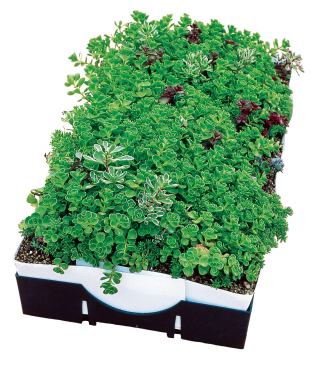
Another way to “green” your roofs is to use a sod product, which is exactly what it sounds like—a vegetative layer grown on a rooftop. Ideal for low- and no-slope homes, “green roofs provide shade and remove heat from the air through evapotranspiration, reducing temperatures of the roof surface and the surrounding air,” the EPA says.
Though a sod roof might not work in every case, there are many other options that can help the roof deck stay cooler, which saves money for home buyers in utility costs but also extends the life of the roof.
Learn more about markets featured in this article: Washington, DC.