Launch Slideshow

Image

Bubbling Up

Bubbling Up

  • Image

    http://www.builderonline.com/Images/tmp3CD9%2Etmp_tcm10-1014828.jpg

    Image

    600

    Harry Whitver

    Improper Install

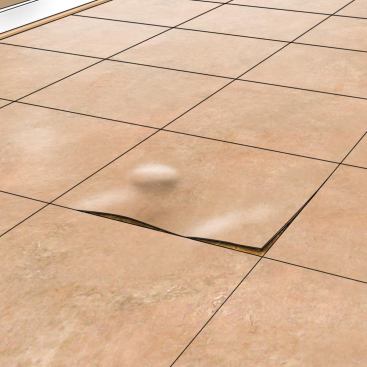
    Bubbles in resilient flooring are simply signs of trapped air that wasn’t pushed out during installation or worse, a depression in the slab or a nail popping up from the subfloor. Curling edges indicate an inadequate or improper application of adhesive across the underside of the tile (for those without self-adhesive backing).
  • Image

    http://www.builderonline.com/Images/tmp3CDA%2Etmp_tcm10-1014836.jpg

    Image

    600

    Harry Whitver

    Fix It

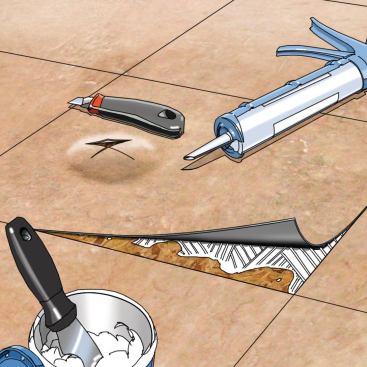
    For a bubble, use a sharp blade to cut an “X” from the apex. Fill the void with recommended adhesive and use a roller to secure it against the subfloor. For larger bubbles and areas that require a fix of the subfloor or slab, you’ll have to remove and patch the affected area, so retain or leave behind some remnants with the owners.
  • Image

    http://www.builderonline.com/Images/tmp3CDB%2Etmp_tcm10-1014844.jpg

    Image

    600

    Harry Whitver

    Avoid It

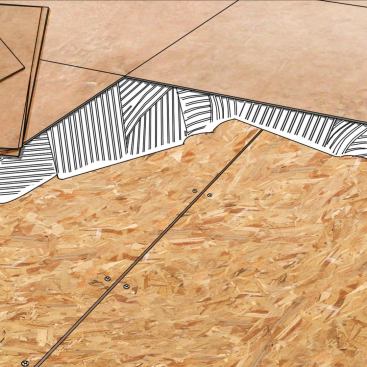
    Start with a flat and even slab or securely fastened subfloor (glued and screwed) that is not exposed to moisture intrusion that could swell the panel edges and/or degrade the floor adhesive. Apply adhesive liberally and as you go (not all at once) and roll the entire floor in multiple directions to work out bubbles and spread the glue evenly and thoroughly to the edges.

Resilient (or vinyl) flooring, in both sheet and tile products, remains the most popular floor finish material on the market, combining affordability with durability and an increasing range of style options. As tough as it is, resilient flooring is not entirely resistant to some normal day-to-day mishaps such as scuffs and dents, and (like any floor finish) is subject to more serious damage if exposed to long-term moisture or water intrusion.

But those are issues and costs for homeowners to manage long after the warranty has expired. Where a builder might be called comes much sooner, when the owners notice a bubble or two in the floor’s surface or a curling seam along the edge of a tile—the tell-tale signs of an improper installation that can crop up within months of move-in.

Fixing those problems is typically neither time-consuming nor expensive for a builder, but it does cut into his profit margin somewhat and, more important, deflates the potential for a positive referral. Avoiding an errant bubble or pesky seam seal is even easier, requiring a little more attention to detail and setting expectations with installers to adhere to the manufacturer’s recommended methods and materials.