When builders Bruce Crumand Chris Frank acquired 100 acres in Adams Township north of Pittsburgh back in 2000, they saw a golden opportunity. The property was a scant 30 minute drive to downtown, but it was just over the county line, where taxes were lower. The hitch was the water situation: The whole town was on wells. So, to bolster the local infrastructure, the partners coughed up $300,000 to run a 12-inch main down the state highway, thereby creating a pipeline not only to their raw land, but also to the area’s schools and existing homes.
“Then the township took over the water line—which was good—but we became our own worst enemy,” says Crum, whose company, Adams Development Group, is (like the township) named after the nation’s sixth president. “They created the Adams Township Water Authority and ran a complete loop, at which point every property around us started skyrocketing in value. Then we had major players coming in and picking up all the remaining pieces of land.”
Luxury estate homes and middle-market single-family residences by Adams Development Group had previously done well in the area. But in this increasingly competitive landscape, Crum and Frank found themselves grappling for a new edge. “We were in the last stages of designing another single-family product in the 2,000- to 2,500-square-foot range—all the way through engineering—and noticed that the other builders coming in were doing the same thing,” Crum says. So they scrapped that strategy and recast the land plan, wagering that a higher-density, attached product might fill an unmet need in the marketplace.
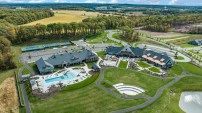
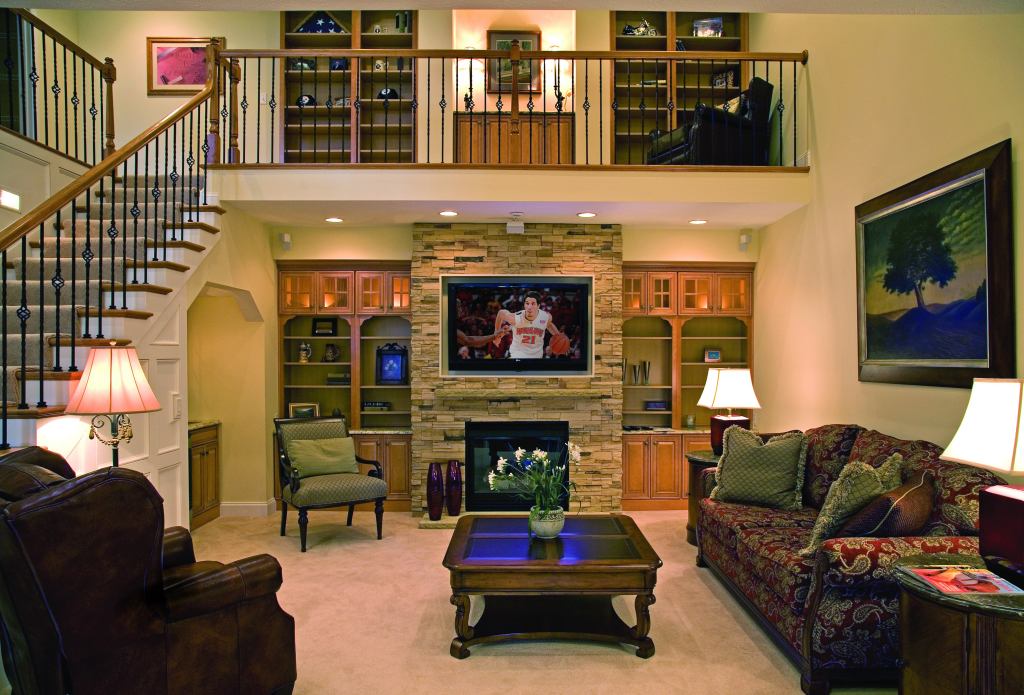
In 2003, Adams Development Group introduced Adams Crossing, a community of “classic American carriage homes,” offering luxury living at just over three units per acre. Catering to empty-nesters and young professionals, the attached four-plex units served up many of the goodies that are typically associated with single-family living but at a lower price point. In addition to traditional gabled roofs, entry porticos, island kitchens, tray ceilings, and private outdoor courtyards, options included solariums, steam showers, whirlpool tubs, surround sound, radiant heat flooring, and built-in gas grills.
“We took all our experience designing for the high-end single-family market and put it into a product for the buyer who is downsizing but not downgrading,” says Crum. “They may want less space and less maintenance, but they still want a nice entry, lots of light, a good kitchen for entertaining, and a nice owner’s suite.”
Learn more about markets featured in this article: Pittsburgh, PA.